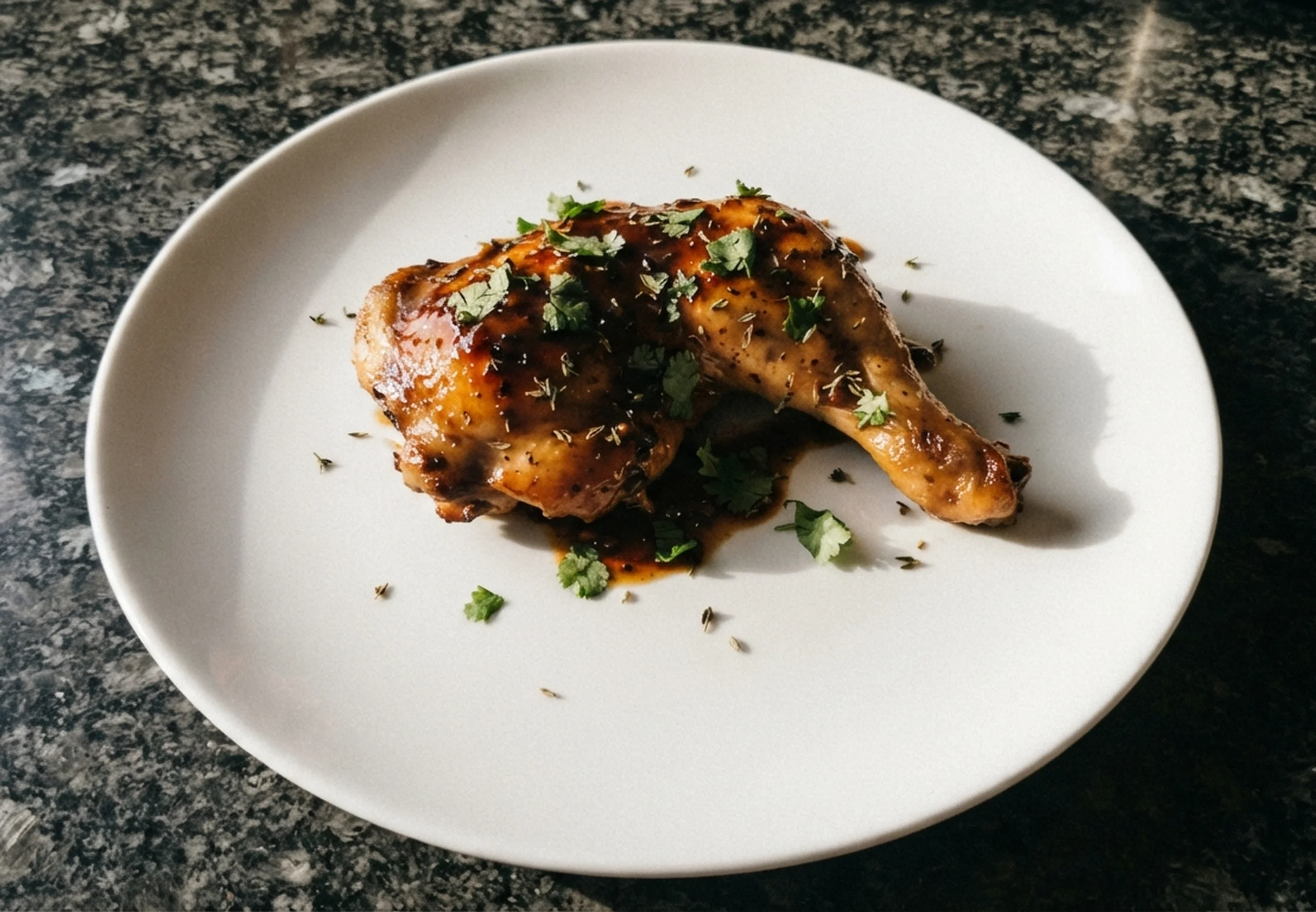
Fire, Memory, Proper Greek Food Comfort Cooking Greek Way
Greek Comfort Food
Long before “modern Greek” became shorthand for small plates and charcoal theatrics, Greece taught me something far more important about food: don’t mess about with it.
I used to travel there regularly on business. Serious days filled with meetings, contracts, and negotiations. But the evenings—especially the ones when I wasn’t tied to my business partner—belonged to food.
My partner at the time was Andreas Dimopolos. Older than me, with a handlebar moustache, immaculately pressed shirts, and a vast Mercedes that felt as old as both of us combined. Andreas knew Greece. Not the brochure version—the real one. The one that doesn’t announce itself.
One evening he drove me high into the mountains. No restaurant sign, no menu, no pretence. We ate in someone’s front room. A man appeared holding a large tray piled with the day’s produce—vegetables, meat, herbs, things that had clearly come from nearby, if not the garden next door. We pointed at what we fancied. It disappeared into the kitchen. Then it came back, simply cooked, generously dressed, and deeply satisfying. No performance. Just care.
On other nights, alone and happily so, I’d wander out of my hotel on Syngrou Avenue and slip into a small family-run place tucked away on a back street. The sort of restaurant you’d miss entirely if you were looking too hard.
First came cold beer. Sometimes retsina—resiny, sharp, unapologetic. Then spanakopita: spinach and feta wrapped in crackling filo, salty and rich without being heavy. After that, gigantes plaki—giant white beans baked slowly in tomato, swimming in olive oil, deeply comforting in a way only simple food can be.
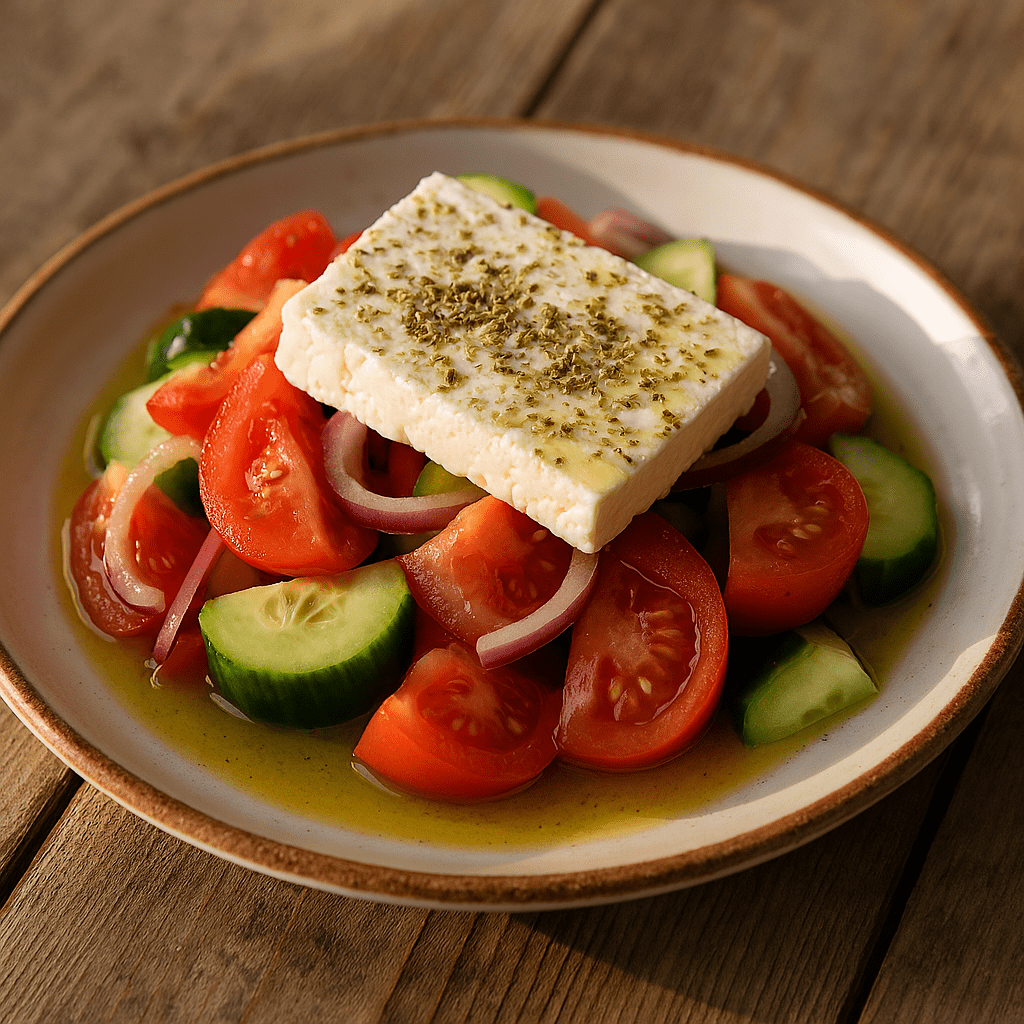
And then the lamb. Grilled chops, charred just enough, served with nothing clever at all. A Greek salad alongside—tomatoes that tasted of sun, cucumbers with bite, slabs of feta, plenty of oil. No foam. No drizzle. No explanation required.
It was unpretentious food, and it was perfect.
That’s why Greek food cooked properly—whether traditional or modern—still resonates so strongly with me. When fire is involved, when ingredients are respected, when flavour comes before fashion, it all makes sense. The best Greek cooking, whether in a mountain home or a contemporary kitchen, follows the same rules: good produce, confidence, restraint.
Nothing on those tables was complicated. But every dish was comforting, honest, and quietly memorable. And that, to me, is the real soul of Greek food—something worth holding on to, whether you’re cooking over a charcoal grill, a plancha, or a single burner somewhere far from Athens.
Some meals stay with you not because they were clever, but because they were true.
Greek Home Cooking
Those meals never stayed behind in Athens. They quietly shaped how I still cook now — food that’s generous, grounded, and comfortable in its own skin.
I return often to Greek Bean Stew with Rice – a Fasolada-inspired comfort dish
Slow, warming, generous with olive oil, and improved by time — exactly how Greek bean dishes should be.

When I want something a little more robust, I make Keftedes – Greek meatballs with potato
Soft, herby, and deeply satisfying, without unnecessary embellishment.

And when the mood shifts lighter, Langoustine and feta salad with Greek dressing
Good seafood, sharp dressing, proper oil — Greek cooking by the coast rather than the mountains.

None of these dishes are complicated. All of them follow the same understanding I learnt years ago: start with good ingredients and don’t interfere.
Find more recipes and food adventures here.
Footnote: Wonky photos, proper food, genuine adventures — The Flexible Chef.