Gut Health Recipes — The Flexible Chef's Complete Collection
Most adults aren't eating enough fibre. The UK recommendation is 30g a day, yet average intake is only around 20g. That gap — every single day — is where most of us are quietly failing our gut, and where the food on our plates can make the most difference.

I've had the Healthy Gut Cookbook by Gavin Pritchard and Maya Gangadharan on the shelf at Casa Adora since 2016. At the time it felt slightly niche. It doesn't any more. The science has caught up with what traditional food cultures have always known: that a diet built around fermented foods, legumes, wholegrains and plant diversity is one of the most powerful things you can do for your health. Hugh Fearnley-Whittingstall's Eat Better Forever and his collaboration with Tim Spector of ZOE on How to Eat 30 Plants a Week have both brought this into the mainstream. The microbiome is no longer a fringe topic.
What this gut health recipes collection offers is something slightly different. These are gut health recipes from a rural Andalucían kitchen — not a wellness clinic, not a supplement brand, not a diet plan. The Mediterranean diet has consistently ranked among the best in the world for gut health, and it's the food I cook every day: olive oil, pulses, fermented vegetables, bone broths, ancient grains. I didn't set out to build a gut health collection. I just looked at what I'd been cooking for years and realised it already was one.
Gut Health Recipes — What You'll Find Here
How to Eat for Gut Health — Four Principles
These are not rules. They are the logic behind every recipe on this page.
Eat more fibre
Beans, lentils, oats, barley, wholegrains, vegetables, fruit, nuts and seeds. The target is 30g a day. Most of us are eating around 20g.
Eat a variety of plants
Different plant foods provide different types of fibre and other compounds for the gut microbiome. A chickpea does something different from a leek. A leek does something different from a bowl of oats. Variety is the point — not eating more of the same thing.
Include fermented foods
Kefir, sauerkraut, kimchi and other fermented foods bring live microorganisms and fermentation-derived compounds to the table. The research into their effects on the gut microbiome is increasingly interesting. The food itself is genuinely good. Both things are true.
Think food first
Gut health isn't about finding a magic ingredient or buying a supplement. It's about what you eat regularly, over time. The recipes on this page are real food — cooked because they're good, and eaten because they happen to be good for you. Before diving in — High Fibre Diet Plan: How I'm Closing the 12g Gap at Casa Adora is worth reading first. I thought I was hitting 30g a day. I wasn't. Here's what I changed.
30 Plants a Week — Testing the Triple 30 in My Casa Adora Kitchen — five days of data from a rural Andalucían kitchen, tested against Dominique Ludwig's Triple 30 framework. What the fibre gap actually looks like, why the plants take care of themselves, and what traditional Mediterranean cooking has always known.
The Vanlife Gut Health Larder — Campervan Food Ideas from Florie
How to maintain a gut health regime from a two-ring gas burner in a Fiat Ducato. Quality tins, jars and preserved ingredients that travel well — and how they make hitting Triple 30 on the road not just possible but straightforward.
This collection is organised by approach rather than by meal type. Fermented foods come first, because the microbiome evidence for live cultures is the strongest we have. Legumes follow — the workhorses of high-fibre cooking and the backbone of Mediterranean peasant food. Then oats and wholegrains, high-fibre soups and broths, gut-friendly eating through history, a dedicated collection on resistant starch — and three gut health juices made daily at Casa Adora, because what you drink matters as much as what you eat.
Every recipe here is real food. Nothing has been engineered for health. Everything has been cooked, eaten and written about because it's good — and it happens to be good for you.
Ready to go further?
These four guides take the principles above from the kitchen shelf to your plate — each one a different angle on the same idea.
- High Fibre Diet Plan — where most UK diets fall short, and a practical audit to close the gap
- 30 Plants a Week — what the Triple 30 actually looks like across a real week in a Mediterranean kitchen
- Resistant Starch Recipes — why cooling cooked carbs changes what they do, and how to cook once and eat better twice
- Vanlife Gut Health Larder — how to keep a gut health routine going from a two-ring gas burner in a Fiat Ducato
New to gut health cooking? Read them in that order.
1. FERMENTED FOODS
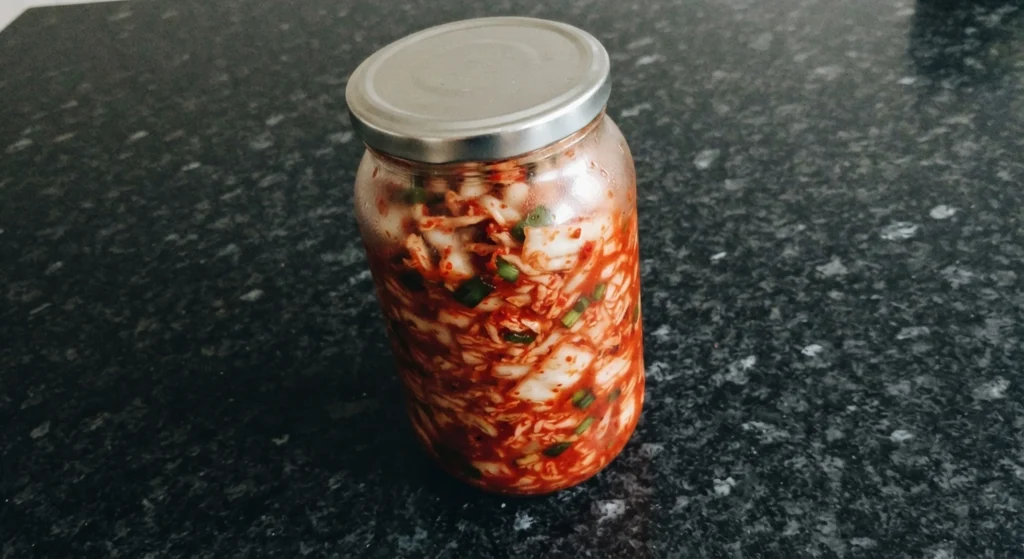
Fermentation is the oldest form of food preservation and, as it turns out, one of the most powerful things you can do for your gut. Fermented foods such as kefir, sauerkraut and kimchi bring live microorganisms and fermentation-derived compounds to the table — one reason they're attracting so much interest in gut-health research.
Rawia Bishara's Olives, Lemons & Za'atar — the definitive guide to Middle Eastern home cooking — is built on a tradition of preserved and fermented ingredients that predates the word microbiome by several thousand years. Preserved lemons, pickled vegetables, yoghurt-based sauces: this is gut-friendly eating as everyday food, not as a health intervention.
The full fermentation collection lives in the Fermentation Hub. The recipes below are the gut health recipes most directly relevant to your microbiome.
Histamine Intolerance Symptoms — A Chef's Take on Fermented Foods — what histamine is, why fermented foods aren't the enemy, and how freshness and threshold matter more than avoidance.
Histamine Intolerance Symptoms — A Chef's Take on Fermented Foods
- Homemade Organic Kefir — How to Make It at Home
- Homemade Sauerkraut Recipe — with Caraway, Juniper and Bay
- Nearly Jongga — A Casa Adora Kimchi with Pimentón
- Miso-Crusted Salmon with Herbed Couscous and Tahini Drizzle
- Miso Soup — within the Healthy Asian Soup Recipes roundup
- Sauerkraut Scrambled Eggs on Sourdough
- Lacto-Fermented Courgette Kraut — A Casa Adora Small Batch
2. LEGUMES — BEANS, LENTILS & CHICKPEAS
If fermented foods are the gut health headline, legumes are the backbone. Chickpeas, lentils, white beans, black lentils, haricot beans — high in fibre, high in resistant starch, and deeply embedded in the cooking traditions that the Mediterranean diet is built on.
Claudia Roden's Med and Jacqueline Clark and Joanna Farrow's Mediterranean Food of the Sun both draw on the same tradition I cook from at Casa Adora: dishes where pulses are not a health-conscious substitute for something else but the point of the meal. Garbanzos a la Riojana. Palak Daal. Braised white beans with lamb. These are peasant dishes, in the best sense — economical, flavourful, and extraordinarily good for you.
The full collection of pulse and vegetable recipes lives in the Veg, Fruit & Pulses Hub. What follows are the highest-fibre, most gut-relevant dishes from that collection — chickpeas, lentils, white beans and black lentils at the centre of the plate rather than on the side.
- Garbanzos a la Riojana
- Chana Masala — A Chickpea Curry Worth Making Again and Again
- Chickpea Khichdi with Fresh Red Chillies and Ginger
- One-Pan Chickpea Rice Bowl
- Sausage and Chickpea Simmer
- Slow Roast Lamb with Chickpea Mash
- Roasted Cauliflower Orzo with Chickpeas and Feta
- Chicken Carrot Apple Chickpea Albóndigas Tomato Broth
- Whole Roast Chicken with Chickpeas and Vegetables
- Chicken and Haricot Beans with Lemon
- Mediterranean Lentils & Quinoa Skillet with Caramelised Onions
- Chicken Drumsticks Sambar with Red Lentils and Homemade Sambar Powder
- Sausage Casserole with Spicy Tomato, Pearl Barley and Red Lentils
- Beef and Lentil Meatballs in Rich Tomato Sauce
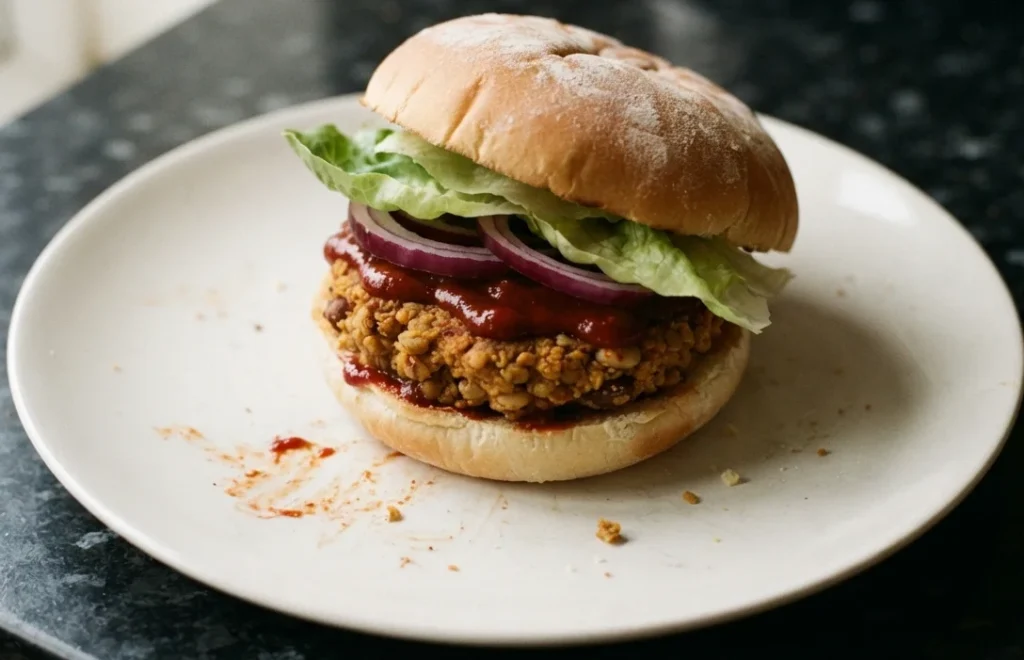
- Simple Red Lentil and White Bean Burger
- Palak Daal — Lentil & Spinach Curry
- Cod Loin Poached in Early-Harvest Olive Oil — Black Beans, Confit Garlic & White Asparagus
- Andy's Red Lentil Dhal — A Rochdale Kitchen Recipe
- Beetroot & Black Bean Burger — Casa Adora
- A Black Bean Breakfast — Fried Egg, Two Ways, Casa Adora
- Black Bean Soup — TFC's Take on Nigella's Cuban Cure
- Four Bean Salad with Mussels and Bulgur Wheat
- Casa Adora Minestrone Soup
- Chorizo, Lentils and Lemon — A Van Dinner for One
- Smoked Paprika Prawns with White Beans — A Van Kitchen Recipe
- Confit Potatoes with Chickpeas, Spinach and Parsley
- Tofu Scramble
- Vegan Goulash with Tofu
- Slow Cooker Beef Curry — Kerala Style with Black Beans
3. OATS & WHOLEGRAINS
Oats are one of the most fibre-dense foods in the everyday kitchen, and they occupy an unusually prominent place in TFC's recipe collection — partly because of the Scottish strand that runs through this blog, and partly because they turn up everywhere once you start looking: in fish cake crusts, in skirlie, in Orcadian soup, in cranachan.
Ancient grain breads — sourdough, rye, spelt, teff, buckwheat soda bread — follow the same logic. Slow fermentation and complex grain structures mean these breads feed the gut in ways that refined white bread simply doesn't. The full bread collection lives in the Bread Recipes Hub.
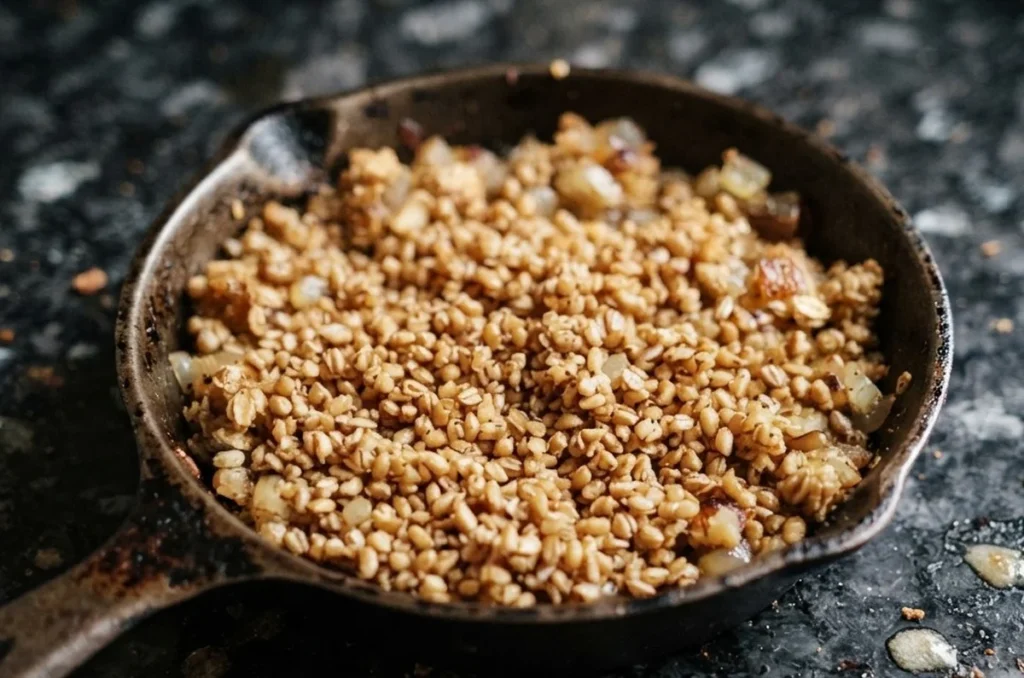
- Kedgeree with Smoked Trout — A Scottish Classic from a Spanish Kitchen
- Smoked Trout Fish Cakes — A Scottish Recipe with Oats
- Skirlie — The Scottish Side That Sizzles
- Scottish Stovies — Agnes Isabella's Monday Plate
- Overnight Oats — A Scottish Staple Reinvented
- Orcadian Oatmeal Soup — A Traditional Recipe from the Orkney Islands
- Cranachan Recipe — A Scottish Dessert with Whisky and Raspberries
- Honey & Cardamom Whisper — A Cranachan-Inspired Scottish Dessert
- Casa Adora Overnight Buckwheat Jar — A Gut Health Breakfast
- Casa Adora Overnight Oats with Kefir, Seeds and Honey
Ancient grain breads:
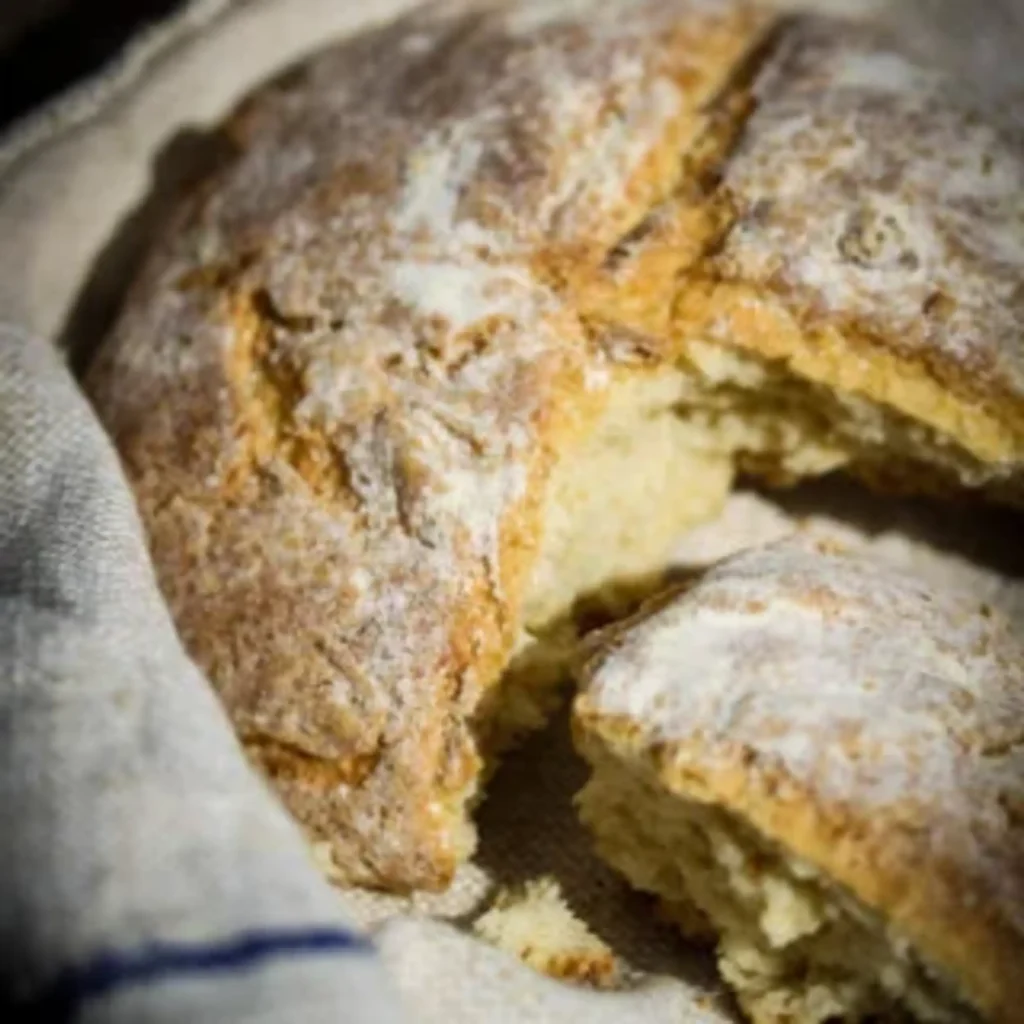
- The World's Easiest Sourdough Bread
- Rye Bread Recipe with Caraway — A Nordic Loaf from Casa Adora
- Rustic Wholemeal Bread Machine Loaf
- Wholegrain Corn Bread Recipe
- Crusty Oat Flour Loaf
- Honey Buckwheat Soda Bread — A Rustic Dutch Oven Loaf
- Teff Bread Recipe — Panasonic Bread Machine Ancient Grain
- Ancient Spelt Flatbread — A Recipe from Mesopotamia
- Fife Bannock — Scottish Soda Bread with Oatmeal
- What Is Socca? Rethinking White Bread Through Grain Diversity
- Rosemary and Sea Salt Chickpea and Buckwheat Bread — Casa Adora
4. HIGH-FIBRE SOUPS & BROTHS
Pearl barley, leeks, split peas and kale — the ingredients of Scotch broth, cock-a-leekie, medieval pottage — are fibre-rich ingredients with plenty to offer the gut microbiome. They're also some of the most flavourful things you can put in a pot. The fact that they happen to be exceptionally good for your gut is, frankly, a bonus.
Leeks, onions and garlic deserve a specific mention. These are among the richest dietary sources of inulin — a prebiotic fibre that feeds beneficial bacteria directly. A good leek soup or a slow-cooked garlic broth is doing more work than it looks.
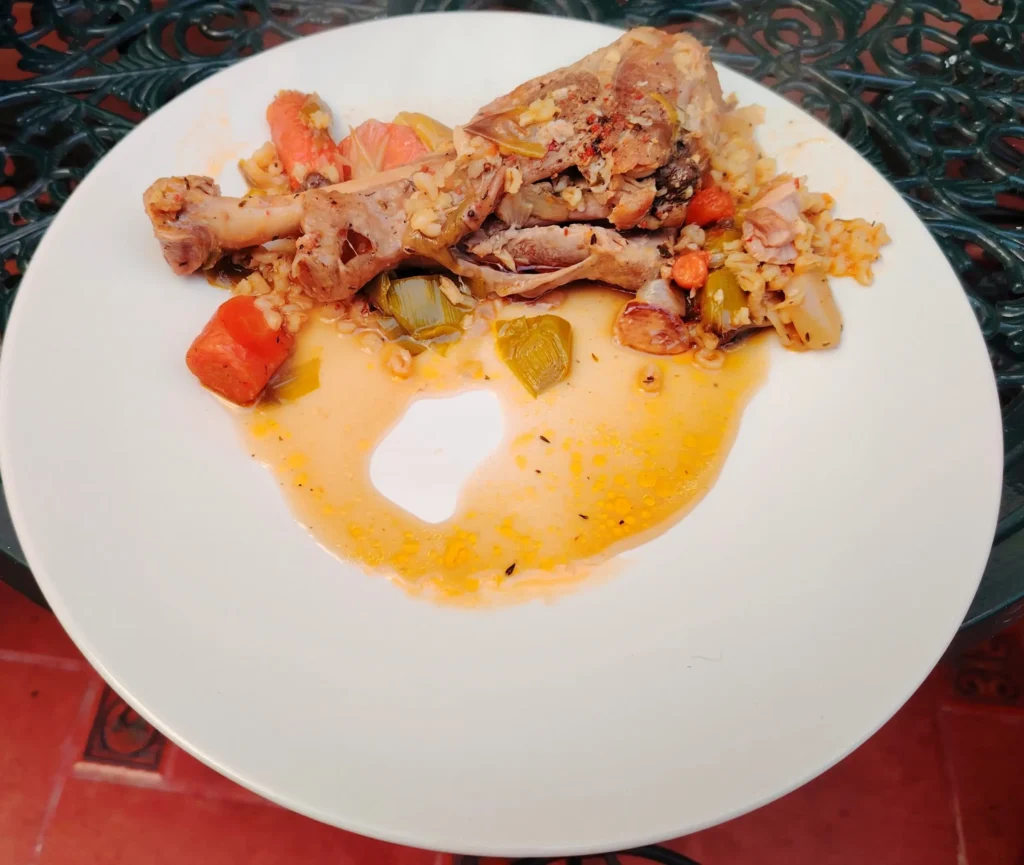
- Scotch Broth Recipe — One Lamb Shank, Properly Made
- Cock-a-Leekie Soup — A Scottish Classic
- Mushroom and Pearl Barley Soup
- Prawn, Chilli & Tomato Broth with Pearl Barley and Kale
- Braised Turkey Leg with Barley
- Rabbit with Sherry, Onions, Saffron & Barley
- French Garlic Soup with a Spanish Twist
- Rustic Leek Soup with Beef Bone Broth
- Leek and Potato Soup
- One Pot Chicken and Leeks with Cider
- Emmental Stuffed Chicken Breast with Cider-Braised Cabbage and Leeks
- Avgolemono with Pearl Barley, Chicken & Lemon
- Harissa Chicken with Root Vegetables — A Tunisian Marqa
5. GUT HEALTH THROUGH HISTORY
No other gut health collection has this section, and that's the point. The Cooking Through History strand on TFC has always been about more than historical curiosity — it's about recognising that the dishes humans have cooked for thousands of years often have a nutritional logic that modern food science is only now catching up with.
Ancient Egyptian lentil stew. Mesopotamian lamb and barley. Greek skordalia-style barley purée. Medieval pottage with kale and pearl barley. These are some of the oldest surviving recipes in the world — and they are, without exception, high in fibre, built on legumes and wholegrains, and deeply prebiotic. That's not a coincidence. It's what people grew, cooked and ate before industrial food processing arrived to remove most of the nutritional value from the equation.
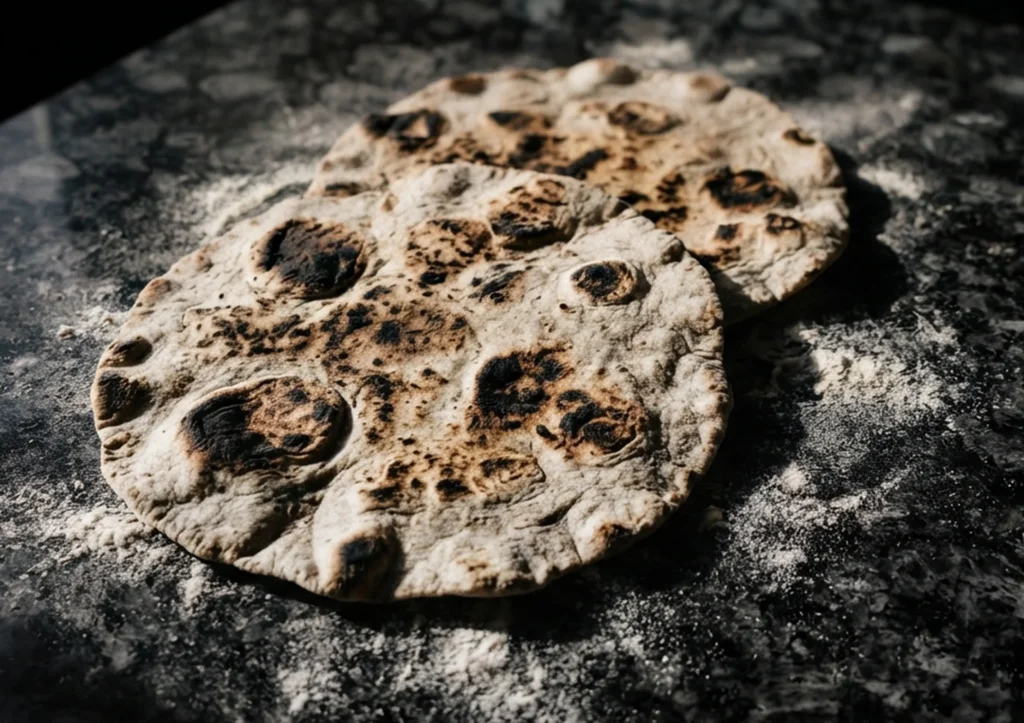
The full historical recipe collection lives in the Cooking Through History Hub.
- Ancient Egyptian Recipes — Lentil and Onion Stew
- Ancient Greek Recipes — Skordalia-Style Barley Purée
- Tuh'u — Ancient Mesopotamian Lamb Stew
- Pottage Recipe — The Everyday Dish of Medieval England
- Ancient Spelt Flatbread — A Recipe from Mesopotamia
6. COOK IT, COOL IT, USE AGAIN — RESISTANT STARCH RECIPES
There is a specific mechanism worth understanding. When you cook a starchy food — rice, potato, pearl barley, oats — and allow it to cool, some of the starch retrogrades into a form that resists digestion in the small intestine. Instead of being absorbed as glucose, it passes through to the large intestine and ferments, feeding your gut bacteria directly. This is resistant starch, and it is one of the most potent prebiotic foods in the everyday kitchen.
It is also, conveniently, the science behind some of the most satisfying cooking on this blog. Stovies are not just thrift — cooling cooked potatoes can increase their resistant-starch content. Nasi goreng requires day-old rice, and day-old rice has significantly more resistant starch than rice eaten straight from the pot. Overnight oats are another useful source of resistant starch because the oats aren't cooked.
- Casa Adora Overnight Buckwheat Jar — A Gut Health Breakfast
- Casa Adora Overnight Oats with Kefir, Seeds and Honey
- Pearl Barley Risotto — A Van Kitchen Recipe with Ghee
7. GUT HEALTH JUICES — WHAT YOU DRINK MATTERS TOO
Three juices, made daily at Casa Adora on a centrifugal juicer and a Philips citrus juicer bought in Saint-Yrieix-la-Perche in 2002. Drunk on the patio or the roof terrace in the afternoon. Not engineered for health — built from what's available from Marta's store in the village and the supermarket in Martos, and drunk because they're good.
Juicing removes most of the insoluble fibre. These are a supplement to a fibre-rich diet, not a substitute for one. They belong here because the ingredients — kale, kiwi, ginger, beetroot, rocket, pear — are genuinely prebiotic and anti-inflammatory, and because the habit of making them is worth building.
- Green Juice for Gut Health — Kale, Kiwi, Ginger and Lime
- Pear Juice Recipe with Rocket, Celery and Lemon
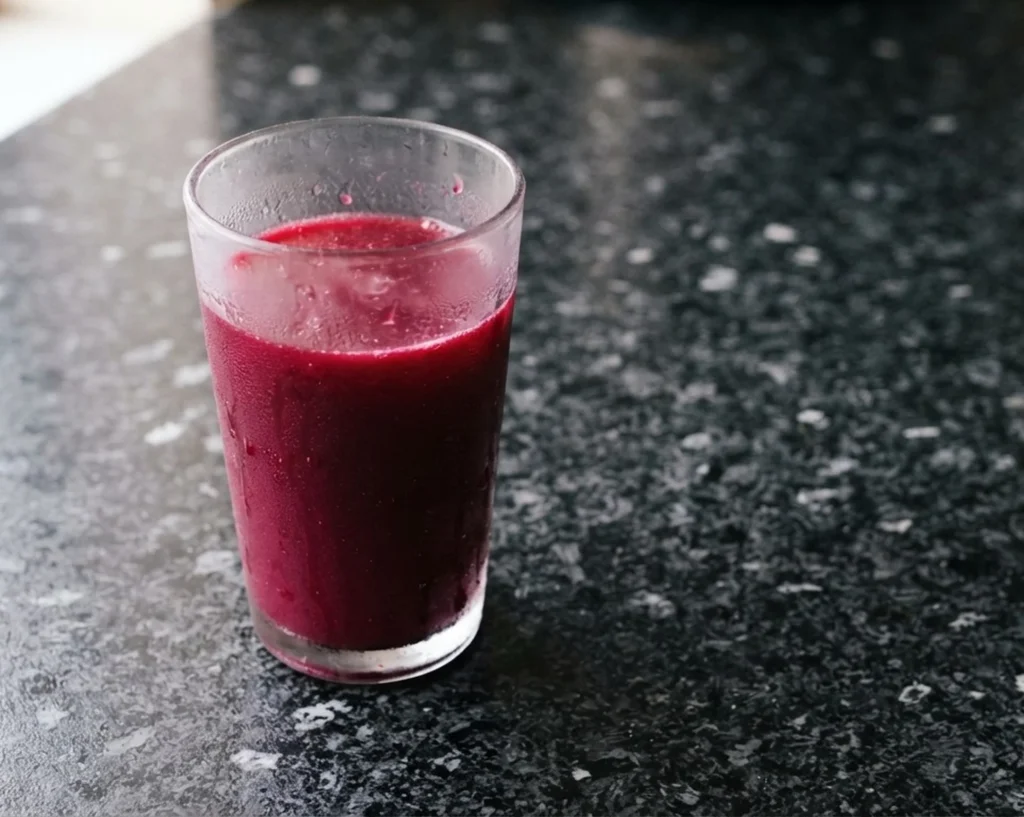
- Beetroot Juice Recipe — Carrot, Ginger and a Liver-Loving Kick
8. GUT HEALTH SIDES & SALADS
Small plates, big gut health payoff — from the Japanese tradition of fermented and prebiotic-rich sides alongside a main meal.
- Sunomono — A Japanese Cucumber Salad, Casa Adora
- Berberechos al Natural — Sizzled Cockles on Sourdough
The full Resistant Starch Recipes collection — Cook It, Cool It, Use Again — lives in its own hub.
Find more recipes and food adventures here.
Browse all recipe collections at The Flexible Chef's Complete Hub Guide.
Wonky photos, proper food, genuine adventures — The Flexible Chef