Resistant Starch Recipes — Cook It, Cool It, Use Again
Most people assume that a freshly cooked bowl of rice is better for you than yesterday's. These resistant starch recipes say otherwise.
Before diving in — High Fibre Diet Plan: How I'm Closing the 12g Gap at Casa Adora is worth reading first. The numbers behind why resistant starch matters, from a kitchen that nearly missed 30g on a good day.
When you cook a starchy food — rice, potato, pearl barley, oats — and then allow it to cool, something changes at a molecular level. The starch partially retrogrades into a form that your small intestine can no longer digest in the usual way. Instead of being absorbed as glucose, it passes through to the large intestine, where it ferments and feeds the beneficial bacteria that make up your gut microbiome. It becomes, in the precise language of nutrition science, a resistant starch.
This is not a minor effect. Resistant starch is one of the most potent prebiotic foods we know of, and it is found not in exotic supplements or specialist health products but in the leftover rice in your fridge, the cold potatoes from last night's supper, and the overnight oats you made before bed.
Cook it. Cool it. Use again.

I did not set out to build a resistant starch recipes collection. I looked at what I had been cooking for years — the stovies made from Sunday's leftover roast potatoes, the nasi goreng that only works with day-old rice, the bubble and squeak that turns yesterday's dinner into something better than the original — and realised I already had one. This is it.
What Is Resistant Starch — And Why Do These Recipes Work?
Resistant starch is starch that resists digestion in the small intestine and reaches the large intestine intact, where it acts as a prebiotic — feeding and diversifying the gut bacteria that are increasingly understood to influence everything from immune function to mood.
There are several types. The most relevant here are RS3 — retrograded starch formed when cooked starches are cooled — and RS2, which occurs naturally in raw or underripe foods such as uncooked oats and green bananas. Reheating cooked-and-cooled starch does reduce the RS3 content slightly, but not fully. The rice you eat from yesterday's pot, reheated in a pan with egg and soy sauce, still contains significantly more resistant starch than freshly cooked rice.
The practical upshot is simple: cooking ahead, cooling properly, and reheating is not a compromise. It is, for your gut, the better version.
1. Potatoes — From Yesterday's Supper to Something Better
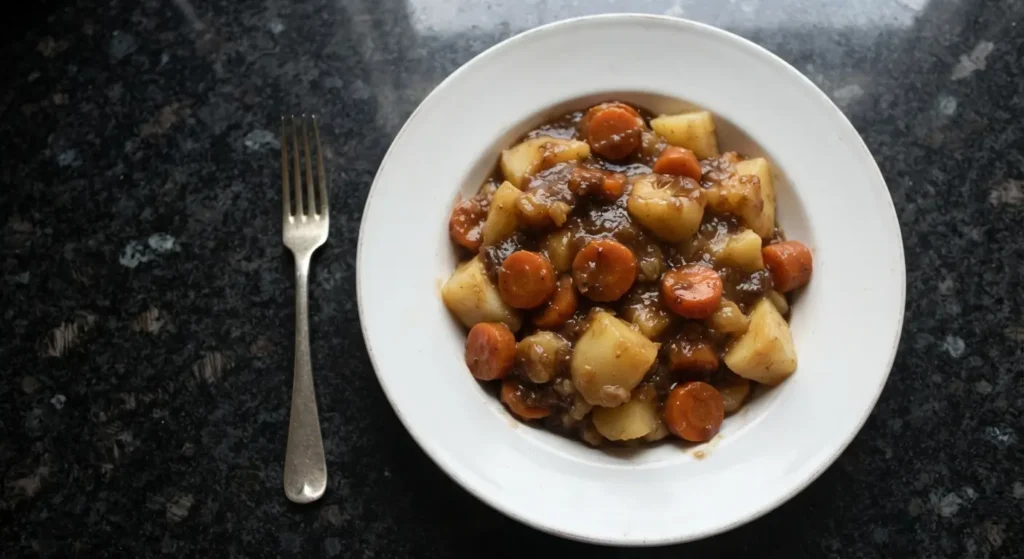
The humble potato is one of the richest sources of resistant starch in the everyday kitchen — but only once it has been cooked and cooled. A hot, freshly boiled potato has relatively little RS3. The same potato, cooled overnight and reheated the next day, has significantly more. Stovies are not just thrift. They are science. These are resistant starch recipes at their most elemental.
- Scottish Stovies — Agnes Isabella's Monday Plate
- Bubble and Squeak — The Great British Leftover Fry
- Sweet Potato & Chard Bubble and Squeak
- Leftover Lamb Shepherd's Pie
- Granny Morrison's Stovies — The Nearly Comptons Version
2. Rice — Why Day-Old Rice Is the Right Rice
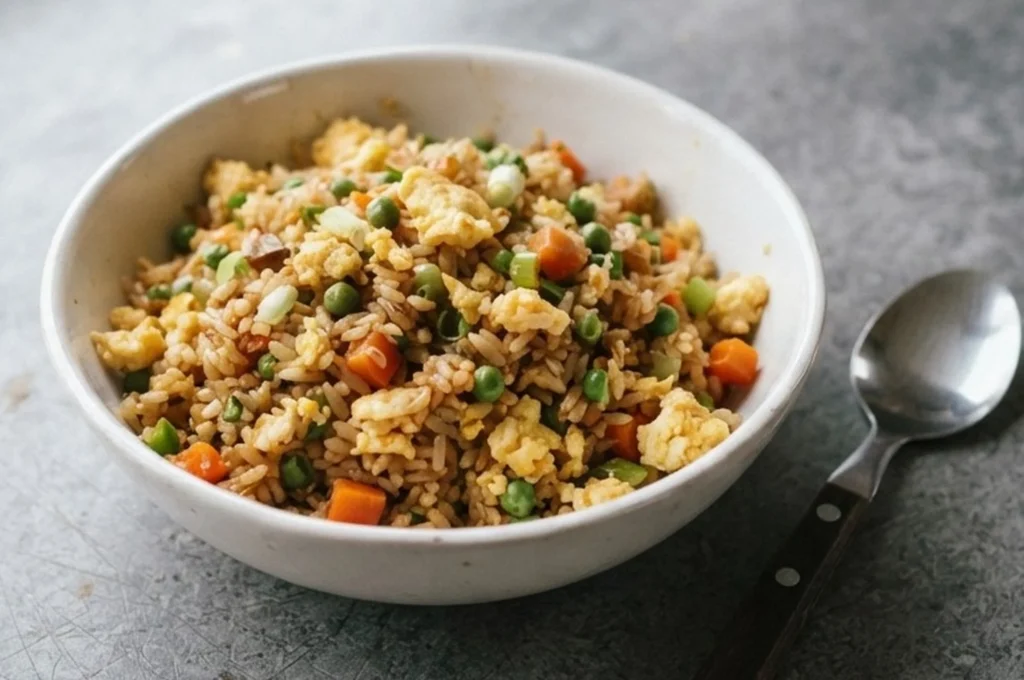
Every serious fried rice recipe insists on day-old rice. The reason is usually given as texture — fresh rice is too wet and clumps in the pan. That is true. But the other reason, less often stated, is that day-old rice has a significantly higher resistant starch content than freshly cooked rice. The overnight cooling does the work. Nasi goreng and egg fried rice are not just using up leftovers.
A note on rice safety. Cooked rice left at room temperature can develop harmful bacteria quickly. Cool it within an hour of cooking, refrigerate promptly, use within 24 hours, and reheat once only — until steaming hot throughout. The FSA guidance on this is clear and worth following. Day-old rice from the fridge is the goal; day-old rice left on the counter is not.
- Nasi Goreng — Indonesian Fried Rice from the Van
- Easy Egg Fried Rice — A Campervan Classic
- Arancini al Ragù — Sicilian Fried Rice Balls
3. Barley, Ancient Grains & Sourdough — The Slow-Release Grain
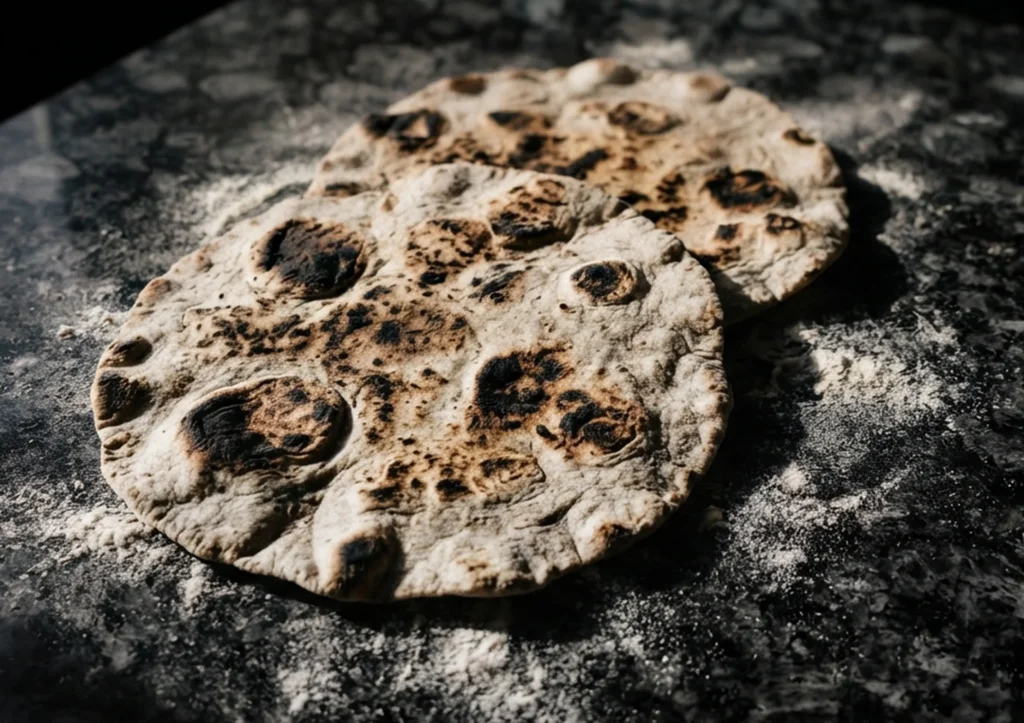
Pearl barley has a lower glycaemic index than most grains even when freshly cooked, and its RS3 content increases substantially on cooling. A pot of Scotch broth made two days ahead and reheated is doing more work for your gut than the same broth served straight from the pot. Ancient grain breads — spelt, rye — follow the same logic.
Sourdough is a slightly different case. Its primary gut health story is fermentation — the long, slow wild-yeast process that makes it easier to digest than commercial bread. Its resistant starch benefit is secondary: sourdough cooled and then toasted develops RS3, and its complex grain structure resists digestion somewhat even when fresh. Worth including here, but the fermentation story is covered in more depth in the Gut Health Recipes collection.
- Scotch Broth Recipe — One Lamb Shank, Properly Made
- Mushroom and Pearl Barley Soup
- Ancient Spelt Flatbread — A Recipe from Mesopotamia
- The World's Easiest Sourdough Bread
- Casa Adora Minestrone Soup — A Daily Gut Health Bowl
- Chicken in Black Bean Sauce — Pearl City Style
- Pearl Barley Risotto — A Van Kitchen Recipe with Ghee
- Black Bean Tofu Recipe — Casa Adora, Nearly Lee Kum Kee Style
4. Oats — The Overnight Effect
Raw oats contain RS2 — a naturally occurring resistant starch present in ungelatinised grain that survives the digestive process intact. Cooking oats converts most of this RS2 into digestible starch. The solution is not to cook them at all — or to cook and cool them. Overnight oats, soaked cold in milk or kefir and eaten the next morning, deliver the full RS2 benefit. They are also, as it happens, one of the most practical breakfasts in a campervan kitchen.
- Overnight Oats — A Scottish Staple Reinvented
- Smoked Trout Fish Cakes
- Casa Adora Overnight Buckwheat Jar — A Gut Health Breakfast
- Casa Adora Overnight Oats with Kefir, Seeds and Honey
This is my complete resistant starch recipes collection — and it will keep growing as the science does.
Find more recipes and food adventures here. Browse all recipe collections at The Flexible Chef's Complete Hub Guide.
Wonky photos, proper food, genuine adventures — The Flexible Chef