Orcadian Oatmeal Soup — A Traditional Recipe from the Orkney Islands
Orcadian oatmeal soup is one of the oldest dishes in the Scottish kitchen — older than most of what we call traditional, rooted in a climate that left very little choice about what to grow and what to eat. Orkney is cool, wet, and relentlessly cloudy. Wheat doesn't thrive there. Oats do. For centuries, oatmeal was not an ingredient — it was the ingredient, the thing that stood between a crofting family and a very hungry winter.
This is that soup, scaled for one bowl tonight and one for lunch tomorrow, made at Casa Adora with what's available in rural Andalucía.
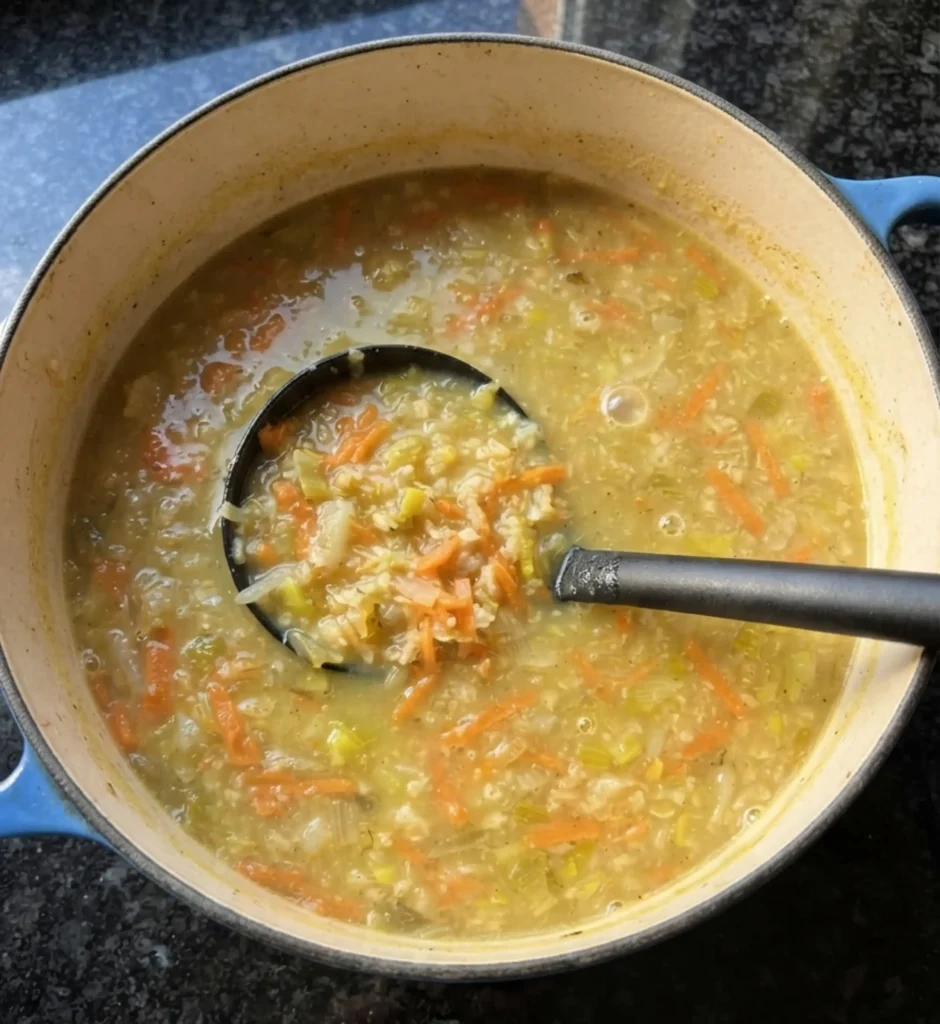
The History of Orcadian Oatmeal Soup
Before modern supply chains, Orcadian families ate what they could grow and store. Root vegetables — carrots, swede, leeks — kept through the cold months. Fine oatmeal thickened the broth because flour was a luxury. The result was a soup that was filling, warming, and made entirely from what the land and larder provided.
The oat connection goes deeper still. Historically, Orcadian oat consumption was tied to a dish called sowans. When mills processed oats, the inner husks — called sids — were returned to the crofters. Families would steep these husks in water for days until they fermented and turned sour. The starchy liquid strained from this process was cooked into a velvety gruel or used as the base for sour, comforting soups. As milling technology changed, the fermentation process evolved into the modern practice of using fresh fine oatmeal directly in the pot.
At Barony Mill in Birsay, Orkney — one of the last working water-powered mills in Scotland — traditional berymeal and oats are still ground using methods unchanged for centuries. The Scottish oatmeal soup that comes from this tradition is still made on the islands today.
What You Need for Orcadian Oatmeal Soup
- 25g butter
- 1 leek, finely chopped
- 2 medium carrots, grated
- ¼ medium white turnip (nabo), grated — swede (colinabo) is traditional but not easily found in Spain
- ½ medium onion, diced
- 25g fine or medium Scottish oatmeal — use whichever you have
- 500ml vegetable or chicken stock, hot
- 500ml milk
- Salt and freshly ground black pepper
- Fresh parsley, chopped, to serve
How to Make This Oatmeal Soup Recipe
Sweat the vegetables
Melt the butter in a heavy pot over medium heat. Add the leek, grated carrot, grated turnip and diced onion. Cook gently for 8–10 minutes, stirring occasionally, until softened. Do not let them colour.
Toast the oatmeal
Stir the oatmeal directly into the softened vegetables. Cook for 1–2 minutes, stirring constantly, to lightly toast the meal. It will smell nutty and begin to coat the vegetables.
Add stock
Pour in the hot stock. Cover and simmer over low heat for 10–15 minutes until the root vegetables are completely tender and the oatmeal has begun to thicken the broth.
Add milk
Stir in the milk and return to a gentle heat for a further few minutes. Do not boil. Season carefully with salt and black pepper.
Serve
Ladle into a deep bowl. Scatter fresh parsley over the top. The soup thickens as it sits — if reheating for lunch the next day, add a splash of milk or stock to loosen it.
On the Oatmeal
Fine oatmeal gives a smoother, more velvety result. Medium oatmeal gives a little more texture — you notice it in the bowl. Either is correct. Use whichever you have; the soup works with both.
The Swede Question
Swede (colinabo) is the traditional Orcadian choice — sweeter, more robust than turnip, and the neep of Scottish tradition. In Spain it is not easy to find. White turnip (nabo) is the natural substitute — closer in character than carrot, and available in the mixed soup packs at most Spanish supermarkets. If you have frozen swede, use it.
FOOTNOTE
This orcadian oatmeal soup is featured in my Scottish Recipes collection, a gathering of traditional and adapted Scottish dishes from a Morrison with roots in Clackmannanshire. You'll also find it in my Soup Recipes collection and my Gut Health Recipes collection — real food from a rural Andalucían kitchen, built around fermented foods, high-fibre pulses, wholegrains and prebiotic-rich ingredients.
Find more recipes and food adventures here.
Wonky photos, proper food, genuine adventures — The Flexible Chef