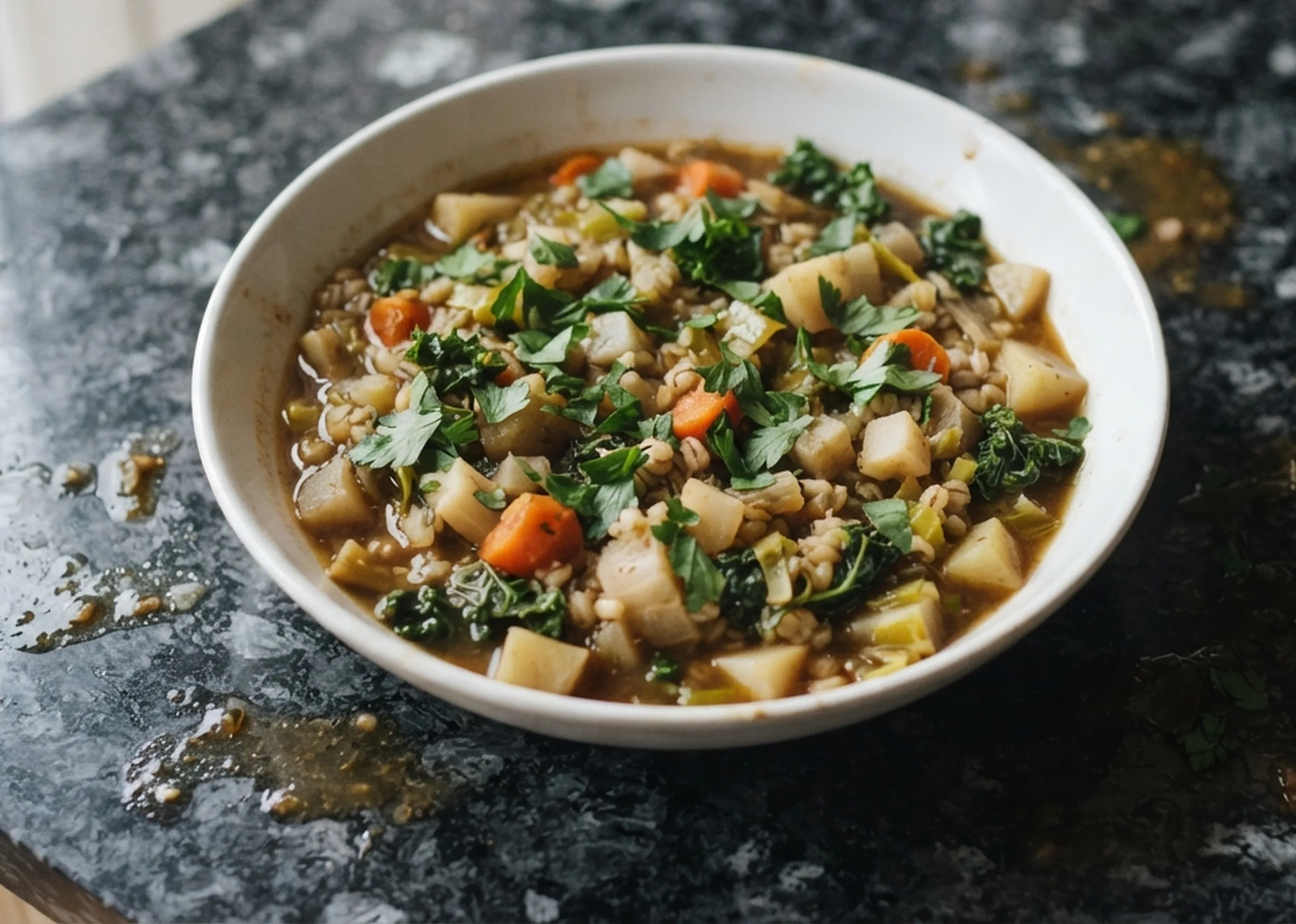
Repas de Village – and the French Art of Feeding a Community
I've always loved the French repas de village—those great communal feasts held in the salle des fêtes, the village hall that looks like a concrete shoebox from the outside but somehow manages to seat half the population once you're in. It's a mystery of rural engineering. The TARDIS has nothing on a French municipal building.
The first time I went to one, I made the rookie mistake of arriving on time. Everyone else wandered in a good forty minutes later, greeting each other with the sort of enthusiasm usually reserved for long-lost relatives or lottery winners. I was already seated at one of the long wooden tables, clutching a plastic cup of rosé and trying to look as though I belonged.
Then the food arrived. Vast aluminium pots big enough to bathe a toddler in, carried by volunteers who looked like they'd been doing this since the Napoleonic Wars. Nobody explained what the dish was — they simply ladled it onto your plate with the confidence of people who know you'll eat it and like it. And you do. Because somehow, in that room, everything tastes wonderful.
By the end of the night I'd been adopted by three families, invited to a pétanque tournament I had no hope of winning, and force-fed a slice of homemade tart that could have doubled as a doorstop. I left full, slightly pink from the wine, and convinced that the French have perfected the art of feeding a village with nothing more than a hall, a few trestle tables, and a heroic amount of goodwill.
From 2002 to 2004 my then-wife and I ran La Grille, a restaurant opposite Château de Brie near Champagnac-la-Rivière in the Haute-Vienne. The Limousin had proper seasons — autumn meant mushrooms, game and chestnuts, and the farmers' markets were extraordinary. We went to a lot of repas de village during those two years, and I am fairly confident that cheese featured heavily at most of them.
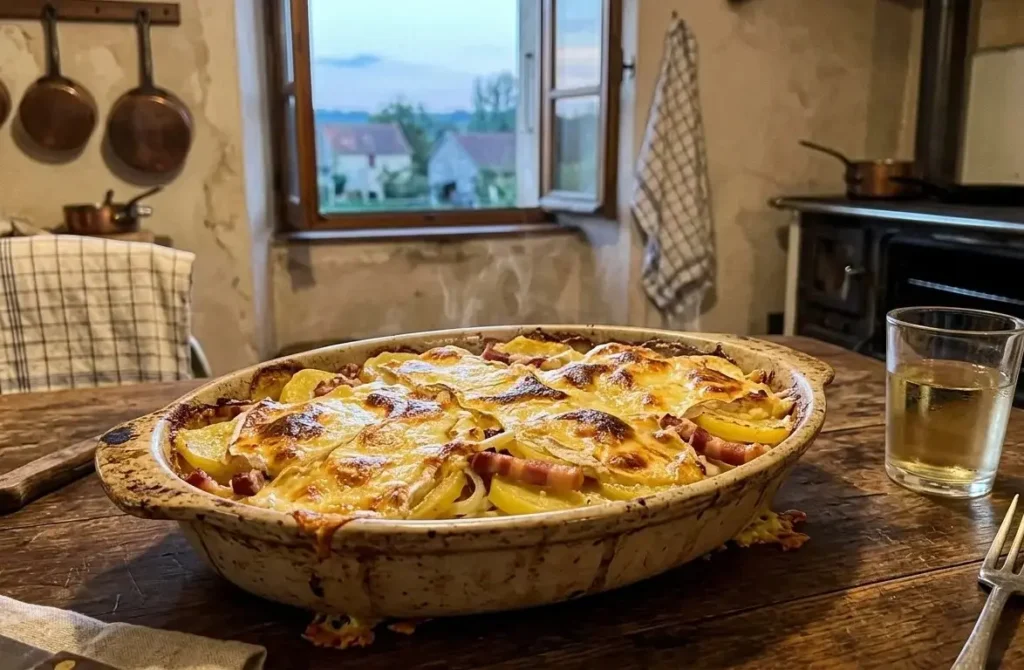
The French do not merely cook with cheese. They revere it. Each region has its own, each with a story, a season, and a correct way to eat it. Tartiflette from the Savoie — potatoes, lardons and a whole Reblochon baked until it collapses into something deeply indulgent — ended up on La Grille's specials blackboard more than once. Raclette, which is essentially melted cheese scraped over potatoes with the ceremony of a religious ritual. Fondue Savoyarde, a bubbling pot of wine-spiked cheese that represents civilisation at something close to its peak. Aligot — mashed potato whipped with so much cheese it stretches like warm toffee when you lift the spoon.
Then there is French onion soup gratinée, which you order for the soup and stay for the molten cheese lid. Gougères — small cheese-spiked choux puffs that vanish faster than any willpower you arrived with. Mont d'Or chaud, a whole cheese baked in its wooden box and eaten with a spoon directly from the rind. And Cancoillotte, a runny, pourable cheese from Franche-Comté that sounds improbable until you try it.
The French have more ways to eat cheese than most countries have cheeses. It is one of the many things I miss about living there.
The Tartiflette went on La Grille's blackboard because it was exactly the kind of dish that worked in a Limousin winter — rich, generous, built for cold evenings and good wine. Here is the recipe.
Repas de Village – La Grille Tartiflette
(serves 4)
- 1kg waxy potatoes, peeled and sliced
- 200g lardons or smoked bacon, diced
- 2 onions, finely sliced
- 2 garlic cloves, chopped
- 150ml dry white wine
- 200ml crème fraîche
- 1 whole Reblochon cheese
- Sea salt and black pepper
- Butter for the dish
Method
Parboil the potato slices in salted water for about 8 minutes until just tender but still holding their shape. Drain and set aside.
Fry the lardons in a dry pan until beginning to colour. Add the onions and cook slowly until soft and golden. Add the garlic and cook for another minute. Pour in the white wine and let it bubble for a couple of minutes. Stir in the crème fraîche and season with black pepper.
Butter an ovenproof dish. Layer in the potatoes and pour over the lardon and crème fraîche mixture. Cut the Reblochon in half horizontally and lay both halves on top, rind side up.
Bake at 200°C for 25 to 30 minutes until the cheese has melted, bubbled and turned golden.
Serve immediately with a green salad and the rest of the white wine.
If you've enjoyed the recipes, you can buy me a coffee ☕ — it helps keep the site going.
This Tartiflette is also featured in my French Recipes, a collection of French recipes from a former Limousin restaurateur — confit, braises, fish, gratins, and van life French cooking from Casa Adora and the road.
It is also featured in my Cheese Recipes collection — a celebration of cheese in all its forms, from melted and baked to blended and spread.
Find more recipes and food adventures here.
Wonky photos, proper food, genuine adventures — The Flexible Chef