Histamine Intolerance Symptoms — A Chef's Take on Fermented Foods
For the past couple of years I've been getting hay fever symptoms outside the olive pollen season. Itchy nose, runny nose, sneezing — the full repertoire, but in months when the olives aren't flowering. It made me wonder whether something in my diet was the trigger.
That led me to a detailed and well-referenced piece on histamine intolerance by nutritionist Dominique Ludwig, which I'd recommend reading in full here. What follows is my own take as a chef on what it means in a practical kitchen context — not a medical explainer, but an honest look at something I think every cook who ferments should understand.
What is histamine, and why does it matter in food?
Histamine is a naturally occurring compound the body both produces and breaks down constantly. In normal circumstances that's a finely balanced process — it's only when histamine levels exceed the body's ability to clear them that problems arise.
The body uses two key enzymes to manage histamine: DAO, which works primarily in the gut breaking down histamine from food, and HNMT, which breaks down histamine within body tissues. If either pathway is impaired — through gut inflammation, stress, genetics, or simply a very high dietary load — histamine can accumulate, and symptoms follow.
Those histamine intolerance symptoms can be surprisingly wide-ranging: digestive discomfort, skin flushing, headaches, nasal congestion and a runny or itchy nose. Which is, of course, exactly what I'd been experiencing out of season.
Where histamine lives in food
This is where it gets directly relevant to anyone who cooks seriously — and anyone managing histamine intolerance symptoms. Histamine levels in food aren't fixed — they increase as food ages, ferments, ripens, or is stored for long periods. The high histamine foods tend to be the ones a chef reaches for instinctively to add depth and complexity:
- Fermented vegetables — sauerkraut, kimchi, miso
- Fermented dairy — kefir, aged cheese
- Cured and slow-cooked meats
- Tinned and smoked fish
- Wine, beer and vinegar
- Leftovers that have been sitting for a day or two
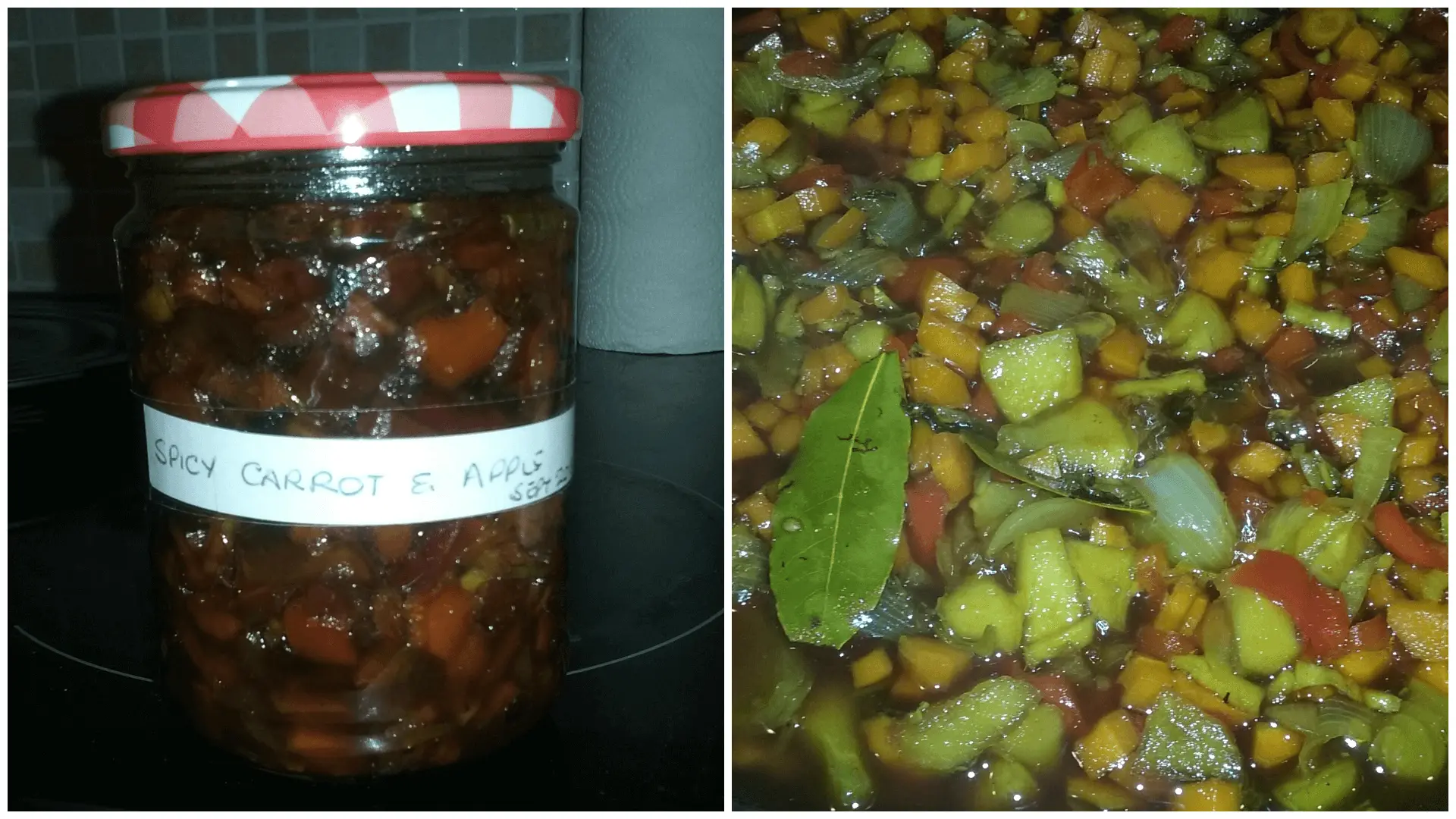
I make and eat most of these regularly. For the majority of people that's absolutely fine — the body handles it without complaint. But for those whose histamine clearance is compromised, a diet heavy in these foods can tip the balance.
Fermented vegetables — sauerkraut, kimchi, miso
Fermented dairy — kefir, aged cheese
Fermented foods are not the enemy
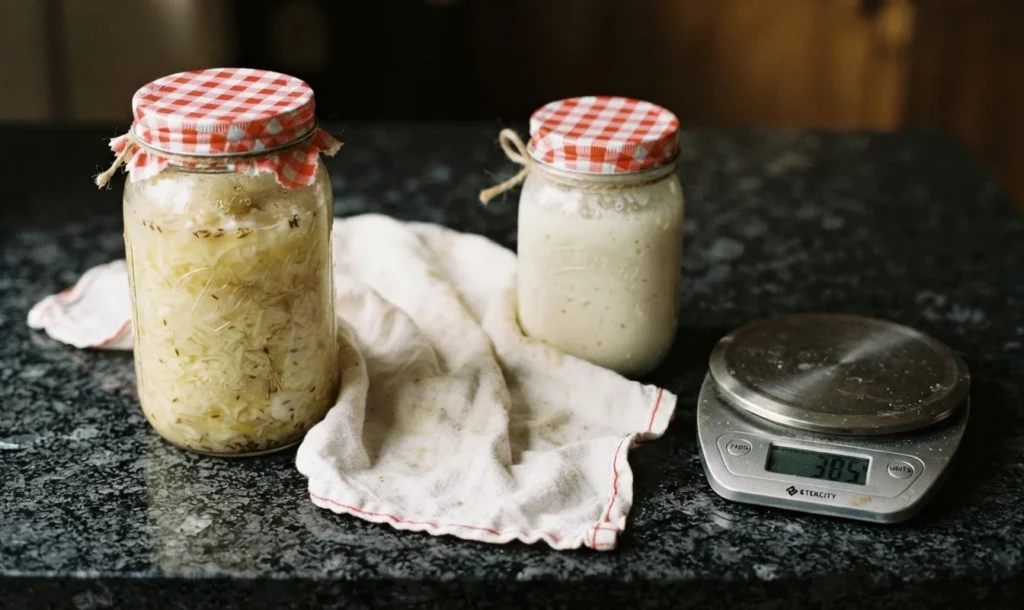
This needs saying clearly, because the instinct when you read a list like that is to panic. Fermented foods are genuinely good for gut health — the research on this is solid. The live cultures in sauerkraut, kimchi and kefir support microbiome diversity, and a healthy microbiome is actually part of what helps regulate histamine in the first place. Throwing them all out is not the answer.
What Ludwig's piece makes clear is that histamine intolerance is a threshold condition. Symptoms tend to appear when multiple factors combine — a high dietary load, gut inflammation, stress, hormonal fluctuation — rather than from any single food. The goal is understanding your own threshold, not blanket avoidance.
For most people, the practical adjustment is simpler than it sounds.
Freshness as a kitchen principle
One of the clearest practical takeaways from the science — for anyone managing histamine intolerance symptoms — is that freshness matters more than food choice. Histamine levels rise as food ages, which means the same ingredient can be low or high in histamine depending on how it's been handled.
A few things that follow from this as a matter of kitchen practice:
- Cook from fresh where possible, and eat promptly
- Freeze leftovers quickly rather than leaving them in the fridge for days
- Frozen berries are often lower in histamine than fresh ones that have been sitting — they're typically frozen at source, which halts the process
- Fish is particularly prone to rapid histamine development — freshness here is non-negotiable
None of this is radical. It's just good cooking practice made slightly more conscious.
Starting small with fermented foods
If you're new to fermented foods, or you've noticed histamine intolerance symptoms when eating them, the advice is straightforward: start small and build tolerance gradually. A teaspoon of sauerkraut alongside a meal is very different from a bowlful. Your gut — and your histamine threshold — may need time to adjust.
The same applies if you've been off fermented foods for a while and are reintroducing them. Go slowly, pay attention, and don't stack multiple high histamine foods in the same meal.
The 30 plants connection
There's another layer to this worth flagging for anyone following the 30-plants-a-week approach. A diverse microbiome doesn't just support general gut health — some gut bacteria actively help break down histamine, while others can produce it. The wider the variety of plant foods you eat, the better equipped your microbiome is likely to be to keep histamine intolerance symptoms in balance.
So the 30-plant target has a histamine benefit that rarely gets mentioned. Another reason to keep adding variety rather than defaulting to the same handful of plants week after week.
A note on this post
I'm a chef, not a nutritionist or medical professional. If you think histamine intolerance might be affecting you, Dominique Ludwig's article is the place to start — it's thorough, well-referenced and written by someone who knows the clinical picture properly. This post is a cook's take on the practical implications, nothing more.
This post is also part of my Gut Health Recipes and Fermentation Recipes collections.
Find more recipes and food adventures here.
Wonky photos, proper food, genuine adventures — The Flexible Chef