
What 32 Days on Indian Trains Did to My Appetite
I spent 32 days travelling across India by train in 2014, and I did not return as a different person. I returned a few kilos lighter, slightly more cautious about where I ate, and with the persistent memory of a fish that smells stronger than it tastes. It was also where I first encountered Bombay Duck — but that comes later.
Travel in India was never silent. It was heat, movement, voices, diesel, cooking smells, and the unpredictable independence of rats and cockroaches that occasionally shared the sleeper carriages with me.
Delhi: Where It All Started
The journey began in Delhi.
On my first day I looked into a butcher's shop — flies, overcrowded cages, thin chickens kept in cramped conditions, killed to order. It was not a dramatic moment. I simply felt unsettled. That day I decided I would not eat meat for the next month.
I did not become a vegetarian.
I lived mostly on omelettes for breakfast and aloo gobi for lunch and dinner. The repetition was not punishment. It was travel survival.
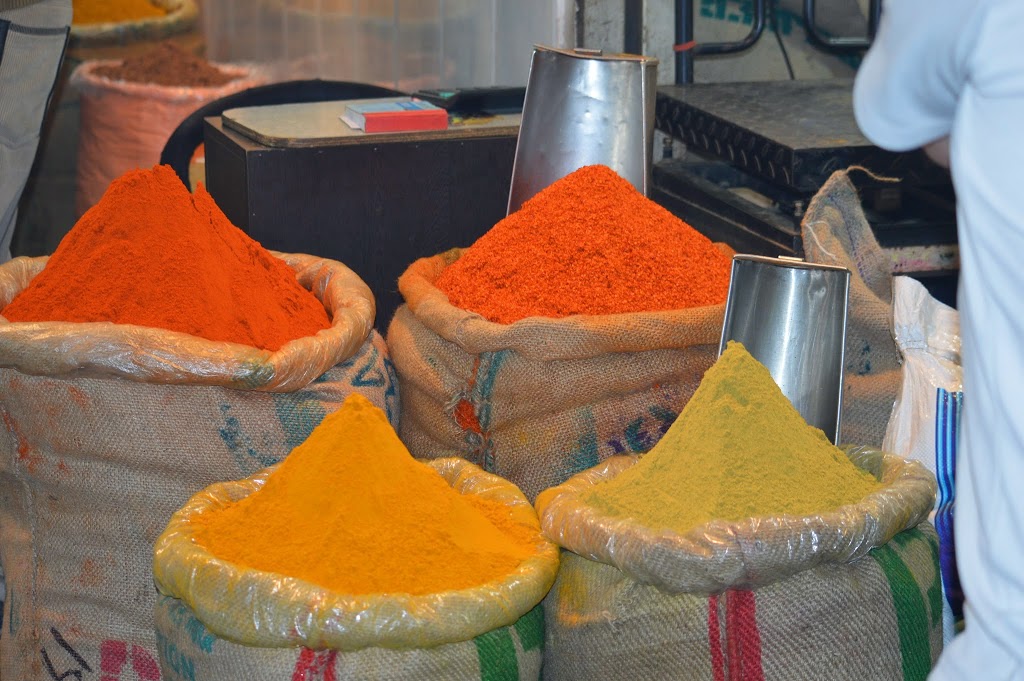
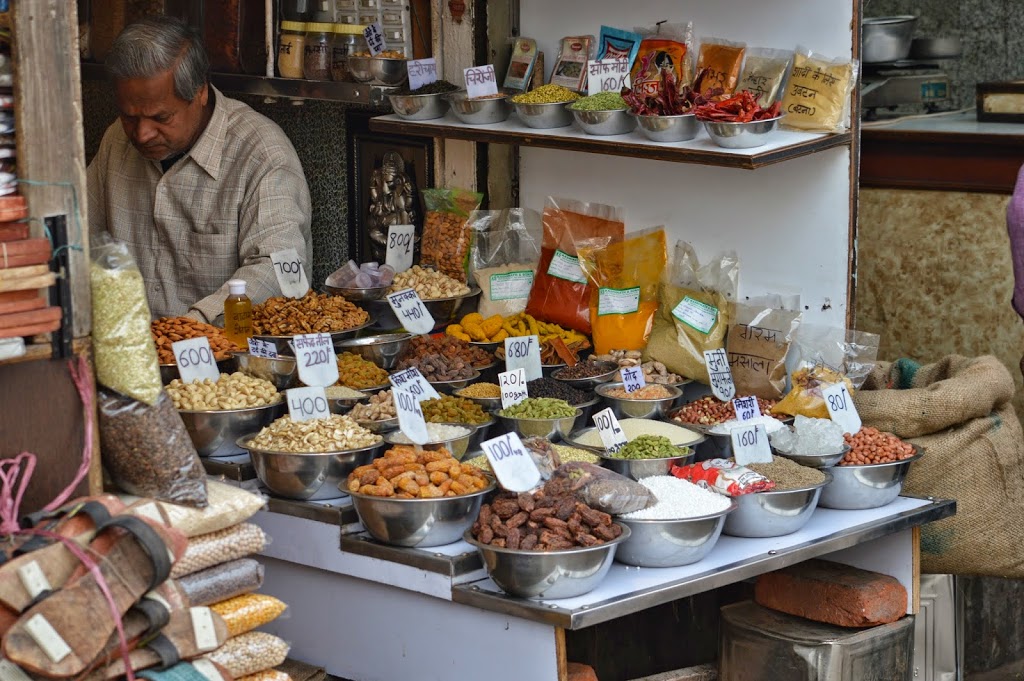
Delhi was also where I discovered Chandni Chowk — the spice market that assaults every sense simultaneously and makes you understand, very quickly, that Indian cooking is not one thing. It is hundreds of things, layered on top of each other.
The Route: Delhi to Goa and Back
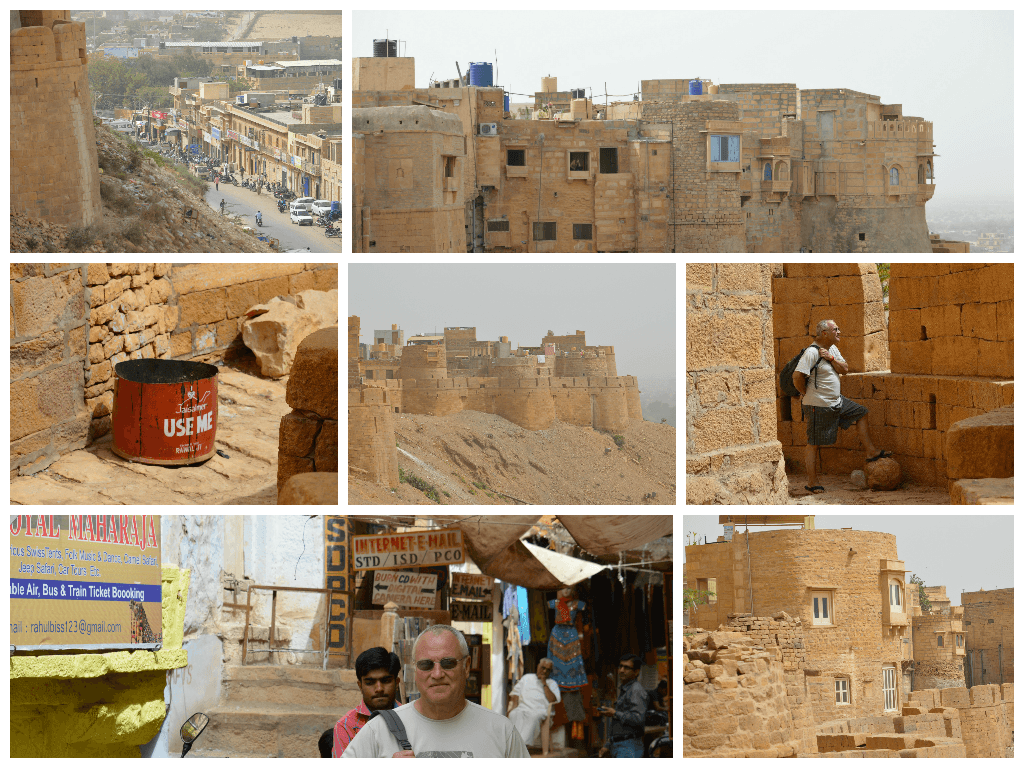
From Delhi I moved by train — Varanasi, Lucknow (more on that shortly), Kolkata, Mumbai, Goa, Jodhpur, Jaisalmer, Agra, and back to Delhi. A rough circle, more or less, across a country that does not lend itself to neat itineraries.
Moving between cities, food stopped being about variety and became about reliability. Tea and coffee arrived heavily sweetened, which was a problem for someone who has never had a sweet tooth. Asking for less sugar was a negotiation that did not always go my way.
In some cities, alcohol was difficult to find. I became aware of how far a small luxury like a cold beer could reach in a place where daily earnings were very different from my own.
Poverty was visible in ways I could not fully understand. I did not attempt to interpret it. I simply carried the awareness that my idea of hardship was considerably smaller than the reality I was witnessing.
A Detour Worth Making: The Best Kebab in India
Lucknow stopped me in my tracks — or rather, one particular kebab shop did. If you have not read about the best kebab in Lucknow, it deserves its own story. Suffice to say: my month without meat had a wobble.
The Best Aloo Gobi Was in Goa
The best aloo gobi of the entire trip was not in a famous restaurant. It was in a small beach hut in Goa, where the sand was close enough to the table that the wind sometimes carried grains across my plate.
I had been eating aloo gobi for weeks by that point – cauliflower and potato, cooked with spices, served everywhere and by everyone with varying degrees of care. Most of it was good. Some of it was very good. This was different.
The cook used enough ghee to make the potatoes genuinely creamy. Fresh tomatoes, gently cooked down. Spices present but restrained — just enough turmeric, cumin, and chilli to give it warmth without shouting. It arrived without ceremony, on a plate that had clearly fed hundreds of people before me.
Simple food, cooked well, in the right place, at the right moment. It was more memorable than anything elaborate I ate on the entire trip.
I have tried to recreate it many times since. The recipe below is my closest attempt — Nearly Aloo Gobi, as made somewhere on a beach in Goa, by someone who knew exactly what they were doing.
NEARLY ALOO GOBI — AS MADE IN A BEACH HUT IN GOA
Serves 2
Ingredients
- 2 medium potatoes, peeled and cut into small cubes
- ½ small cauliflower, broken into small florets
- 2 medium tomatoes, roughly chopped
- 2 tbsp ghee (be generous — this is what makes it)
- 1 tsp cumin seeds
- ½ tsp turmeric
- ½ tsp ground coriander
- ¼ tsp chilli powder
- Salt to taste
- Fresh coriander to finish, if available
Method
- Melt the ghee in a heavy pan over a medium-low flame. Add the cumin seeds and let them sizzle for 30 seconds until fragrant.
- Add the potato cubes and stir to coat in the ghee. Cook gently for 8–10 minutes, turning occasionally, until beginning to soften and pick up a little colour.
- Add the turmeric, ground coriander, and chilli powder. Stir well and cook for one minute.
- Add the cauliflower florets and stir to combine. Cook for 5 minutes, stirring occasionally.
- Add the tomatoes and a pinch of salt. Stir gently, reduce the heat to low, and cover. Cook for 15–20 minutes until the potatoes are completely tender and the tomatoes have collapsed into a loose, fragrant sauce.
- Taste and adjust the salt. Finish with fresh coriander if you have it. Serve with flatbread, rice, or — if you are in a beach hut in Goa — whatever is to hand.
The secret is the ghee. Don't be shy with it. It gives the potatoes a creaminess that no other fat quite manages.
The Best Aloo Gobi Was in Goa
The best aloo gobi of the entire trip was not in a famous restaurant. It was in a small beach hut in Goa, where the sand was close enough to the table that the wind sometimes carried grains across my plate.
I had been eating aloo gobi for weeks by that point — cauliflower and potato, cooked with spices, served everywhere and by everyone with varying degrees of care. Most of it was good. Some of it was very good. This was different.
The cook used enough ghee to make the potatoes genuinely creamy. Fresh tomatoes, gently cooked down. Spices present but restrained — just enough turmeric, cumin, and chilli to give it warmth without shouting. It arrived without ceremony, on a plate that had clearly fed hundreds of people before me.
Simple food, cooked well, in the right place, at the right moment. It was more memorable than anything elaborate I ate on the entire trip.
I have tried to recreate it many times since. The recipe below is my closest attempt — Nearly Aloo Gobi, as made somewhere on a beach in Goa by someone who knew exactly what they were doing.
Bombay Duck: Mumbai and the Fish That Stayed in My Memory
I eventually reached Mumbai.
Salt air, noise, humidity, and the restless energy of a coastal city that never fully sleeps.
It was here that I first ate Bombay Duck — the fish, not the duck — the fish that still defines a significant part of my memory of India.
Bombay Duck is not a duck. The name is likely connected to colonial transport history, though the explanation matters less than the experience. It is a fish — Harpadon nehereus if you want the scientific version — usually dried in the open air along the coastal areas of western India. I remember rows of fish laid across wooden racks, exposed to sunlight and sea wind.
The smell arrived before the fish itself.
It was strong. Not immediately unpleasant, but assertive. Almost confrontational. It did not invite curiosity. It demanded negotiation.
I hesitated.
The memory of the Delhi butcher's shop was still somewhere in my mind. But I was not travelling as someone trying to prove anything. I was simply tired of avoiding experiences because they were unfamiliar.
So I tried it.
The flesh was soft — surprisingly so after the intensity of the aroma. The flavour was salty and deeply coastal, very different from the smell that preceded it. Once you get past the aroma, Bombay Duck is a genuinely flavourful fish. It is not food designed for hesitation. It is food that expects acceptance.
Dishoom: India Revisited
Back in rural Andalucía, the cookbook has become a regular reference — the Dishoom onion and tomato masala alone is worth the price of the book. And if you're curious about Bombay Duck beyond the Mumbai street experience, my crispy Bombay Duck recipe using Spanish pescadilla is as close as rural Andalucía gets to the real thing.
What India Did to My Appetite
I did not return from India as a vegetarian, nor as someone with strong conclusions about the country.
I returned to the UK a little lighter, a little more cautious about raw food, and with the persistent memory that unfamiliar smells are not always warnings. Sometimes they are invitations.
Travel did not change what I eat. It changed how I pay attention to what I am eating.
If I think back to those 32 days now, the month feels like curiosity and exhaustion travelling together. Curiosity did not defeat exhaustion, but it learnt to walk beside it.
And somewhere in Mumbai, on a rack in the open air, Bombay Duck is still drying in the sun — waiting for the next hesitant traveller to negotiate with their instincts and just try it.
Back in Andalucía, I've recreated the experience using Spanish pescadilla — you can find my Bombay Duck recipe here.
This post is part of my Curry Recipes hub – from quick weeknight curries to slow-cooked classics and street food finds.
All recipe hubs → Recipe Hubs
Wonky photos, proper food, genuine adventures – The Flexible Chef



We did a similar journey by train, a real education and paticularly the stringent alcohol rikes and compulsory vegetarian food in cities such as Vatanasi and Pushkar. Was brilliant and like you so many memories.