
Feeding My Senior Greyhound During IMHA Recovery: A Practical Guide
This Senior Dog Diet Plan is designed for thin or recovering dogs, combining small frequent meals, protein rotation, and practical feeding tips based on real-life experience. It focuses on keeping your senior dog energetic, supporting muscle recovery, and ensuring balanced nutrition without overloading the stomach. This guide explains what to feed a senior dog losing weight, based on my experience caring for Poppy during her IMHA recovery.
In 2018, I rescued Issy from my street. She was around one year old and had been living there for approximately four months. Although I had been feeding her regularly, I decided she needed a proper home. It took several attempts to get her inside my house, but once she was in, she adapted very quickly and settled in.
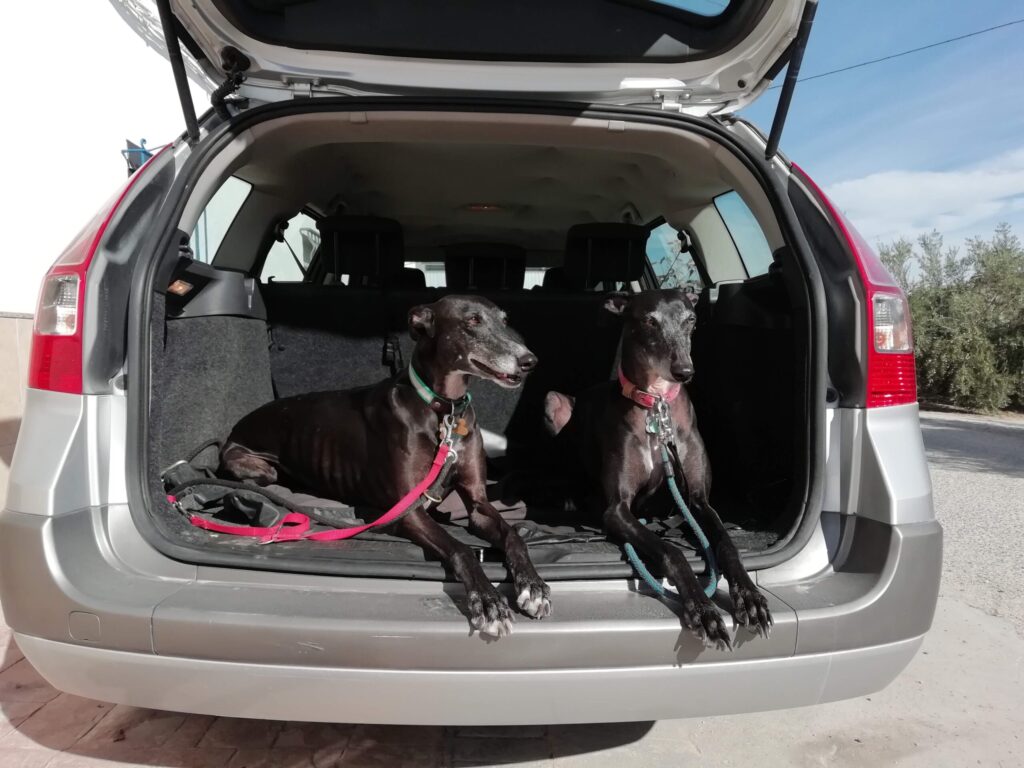
One year later, we found Poppy dying in the campo. She had been abused, and the vet said she would have died within 48 hours if Issy hadn’t found her. Within two weeks of arriving, Poppy declared herself top dog — and she has never looked back. Issy, being younger and smaller, is mindful of Poppy’s authority, but the two have formed a loyal and affectionate bond. Ever since, Poppy has been endlessly grateful for her own sofa, affection, and a safe life, while Issy continues to be a caring companion. Their resilience and gratitude are a daily reminder of why careful feeding, gentle care, and love are so important, especially for senior or recovering dogs.
It's that same gratitude and resilience that made Poppy's IMHA diagnosis earlier this year so hard to face. Watching a dog who fought so hard for her life fight again — this time from the inside — pushed me to learn everything I could about supporting her recovery through food. Here's what I found worked.

Both of my dogs came from difficult beginnings, and their early experiences shaped how I care for them now. I’ve written before about Spain’s updated animal welfare law, which reflects how much attitudes toward dogs are changing but unfortunately not for hunting dogs.
For anyone unfamiliar with the condition, the PDSA has an excellent overview of immune‑mediated haemolytic anaemia in dogs, including symptoms and treatment options.
Senior Dog Diet Plan: Feeding a Thin Dog Recovering from Illness
Recently, my 11-year-old greyhound has been recovering from immune-mediated anaemia (IMHA). Over the past few months, I’ve been experimenting with a feeding routine that keeps her energetic, happy, and nutritionally supported. This guide outlines a senior dog diet plan including protein rotation, small frequent meals, and homemade meal ideas.
About one year ago she weighed 27 kg, and over time her weight naturally decreased to around 19–20 kg, which is her current stable range.
If you’re unsure what to feed a senior dog losing weight, this section outlines the exact meals and routine that worked for my greyhound.
An IMHA dog diet should focus on gentle proteins, small meals, and appetite support.
Understanding Your Senior Dog’s Nutritional Needs
For dogs recovering from illness, especially those on medications like prednisolone, it’s important to focus on:
- Maintaining muscle mass
- Supporting red blood cell recovery
- Providing steady calories through small frequent meals
- Encouraging appetite without overloading the stomach
My dog prefers four meals per day at roughly 13:00, 17:00, 18:00, and 19:00.
A senior dog weight gain diet doesn’t need to be heavy; it needs to be steady and digestible.
Knowing what to feed a senior dog losing weight can make a huge difference to their energy, comfort, and recovery.
Core Diet Components for Senior Dogs
Proteins for Healthy Weight and Recovery
- Chicken (thigh preferred)
- Turkey thigh
- Lean beef mince (5–10% fat)
- Sardines in water (no salt, two to three times per week)
- Eggs (two to three times per week)
- Liver or beef heart (small portions once per week)
Carbohydrates and Vegetables
- White rice (small portion, reduce if protein increases)
- Sweet potato (~15–20 g per main meal)
- Carrots (~15–20 g per main meal)
Fats and Extras
- Olive oil: ½ teaspoon drizzle on protein at main meal, maximum 1–2 tsp per day
- Optional: salmon oil drops two to three times per week
Kibble and Base Diet
- Ultima Senior kibble (~40–50 g per meal)
- Ultima Senior tinned food (~50 g per afternoon meal)
Feeding Schedule for a Thin Senior Dog
Lunch – 13:00
- Ultima kibble: 40 g (~2–3 small handfuls)
- Boiled chicken or turkey thigh: 70 g (~palm-sized piece)
- Carrots or sweet potato: 15–20 g (~2–3 small slices)
- Olive oil: ½ teaspoon drizzle over protein
Late Afternoon – 17:00
- Ultima kibble: 40 g (~2–3 small handfuls)
- Boiled chicken or turkey thigh: 70 g
- Optional: small drizzle of salmon oil once or twice per week
Tea – 18:00
- Ultima Senior tinned food: 50 g (~2 heaped tablespoons)
- Lean beef mince: 50–70 g or sardines in water ½ tin
- Carrots or sweet potato: 15–20 g
Evening Snack – 19:00
- Ultima kibble: 30–40 g (~1–2 small handfuls)
- Optional protein extras: egg or liver/beef heart
Weekly Protein Rotation for Senior Dogs
| Day | Lunch (13:00) | 17:00 | 18:00 | 19:00 |
|---|---|---|---|---|
| Mon | Chicken | Turkey | Beef | Egg |
| Tue | Turkey | Chicken | Sardines | Kibble only |
| Wed | Chicken | Turkey | Beef | Egg |
| Thu | Turkey | Chicken | Sardines | Kibble only |
| Fri | Chicken | Turkey | Beef | Liver/Heart |
| Sat | Turkey | Chicken | Sardines | Egg |
| Sun | Chicken | Turkey | Beef | Kibble only |
Tips for Feeding a Senior Dog
- Feed small meals multiple times per day to support energy and digestion.
- Rotate proteins to prevent boredom and provide a variety of nutrients.
- Drizzle olive oil only on protein to increase calories safely.
- Monitor stools — slight softening is normal; diarrhoea means adjusting fats or fish.
- Optional treats should be small and infrequent.
- Consistency matters more than perfection — steady weight and good mood are the key signs of success.
Final Thoughts on Senior Dog Nutrition and Recovery
My greyhound has a long history of health challenges and trauma, but she is happy, energetic, and engaged. By feeding small, frequent meals with high-quality protein and gentle carbs, I can support her recovery without stressing her stomach or pushing too many calories too fast.
This plan is practical, realistic, and tailored to her preferences and health needs. It’s not about forcing weight gain — it’s about supporting muscle, energy, and overall well-being. Caregiving is as much about patience and observation as it is about food.
Poppy's road to recovery hasn't been straightforward. Before her IMHA diagnosis in December 2025, she had already battled a serious eye infection for over three months, requiring five vet visits and two stressful trips to the animal hospital in Jaén — difficult for any dog, but especially for one who is wary of strangers and busy city environments. Then, mid-recovery, she caught her tail, and that wound has needed careful daily management ever since. Some days it feels like she cannot catch a break. But she keeps going — and so do we.
Watching her tail wound heal under careful protection, seeing her enjoy her meals, and observing steady blood test improvements remind me that recovery is happening — sometimes slowly, but steadily.
Poppy passed away in March 2026. You can read more about her here: A Special Note About Poppy / Una Nota Especial Sobre Poppy.


Really kind of you to take the trouble to write this up & publish. I'm sure many people will find it useful. Lucky Poppy to have a Dad who takes good care of her.
#greyhounds
❤️