Mastering the Art of Making Perfect Stock
The basic principles of making perfect stock are rooted in extracting the maximum flavour and nutrients from the ingredients. Start by selecting your primary ingredients, such as bones for meat-based stocks or a variety of vegetables for a vegetarian option.

Jump to: Principles | Types of stock (Chicken | Beef | Vegetable | Fish | Turkey | Lamb | Bone Broth | Shellfish | Duck | Game | Veal) | Troubleshooting | FAQ | What to cook
Making Perfect Stock: The Basic Principles
These flavourful stock principles apply to every pot. Begin with cold water to allow the ingredients to release their flavours gradually as the temperature rises. Simmer gently, rather than boiling, to prevent cloudiness and ensure clarity. Adding aromatics like onions, carrots, celery, and herbs will enhance the flavour profile. Skimming off any scum that rises to the surface during cooking is essential for a clear stock.
The cooking time will vary depending on the type of stock; for example, vegetable stock requires less time than a robust beef or veal stock. Finally, once cooked, strain the stock through a fine mesh sieve to remove solids, and cool it quickly if not using immediately. This careful process results in a rich, flavourful stock that serves as a versatile base for soups, sauces, and stews.
The Universal Method
Whatever the stock, the steps for making perfect stock are the same:
- Start with cold water, just enough to cover the bones or vegetables.
- Bring it up slowly to a gentle simmer. Never let it boil hard.
- Skim off the scum in the first 30 minutes.
- Add aromatics such as onion, carrot, celery, bay leaf and parsley stalks. Leave out the salt.
- Simmer for the right time: fish 20 to 30 minutes, vegetable about 1 hour, chicken 2 to 4 hours, beef or veal 6 to 8 hours.
- Strain through a fine sieve without pressing the solids.
- Cool quickly, then chill and lift off the fat. It keeps 3 to 4 days in the fridge or about 3 months in the freezer.
Types of Stock Recipes
Here are different kinds of stock commonly used in British and international cuisine, each one made with the same method as for making perfect stock:
Chicken Stock
Made by simmering chicken bones, often with vegetables like carrots, celery, and onions. It's versatile and used in soups, sauces, and rice dishes. A recipe for making chicken stock for Risotto is here.
For a stock you make every week, see my free-range chicken stock weekly ritual.
And for a quicker brown stock from chicken bones, made in a pressure cooker, see Under Pressure Brown Stock.
Beef Stock
Produced by simmering beef bones with vegetables and herbs. It has a rich, deep flavour and is perfect for gravies, stews, and braised dishes. Here is a Beef Bone Stock recipe.
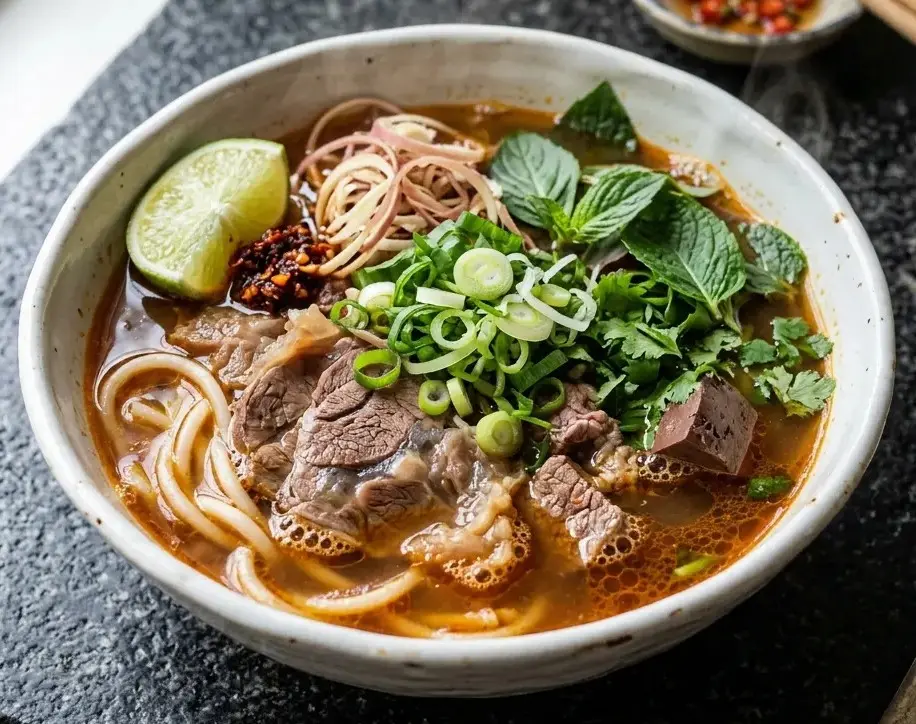
For a clear Hanoi-style version built for noodle soup, see my pho broth recipe, made from marrow bones and oxtail, blanched and never roasted.
For a darker, roasted version, see my Rich Tomato-Roasted Beef Bone Broth.
Vegetable Stock
A vegetarian option made by simmering various vegetables like carrots, celery, onions, and herbs. It's a great base for soups, risottos, and sauces.
Fish Stock
Created by simmering fish bones and heads with aromatics such as leeks, celery, and bay leaves. It's commonly used in seafood soups, stews, and sauces.
My easy fish stock recipe is a resourceful way to turn leftover bones and trimmings into a seafood base.
Turkey Stock
Similar to chicken stock but made from turkey bones. It's often used during the holiday season for gravies and soups.
Lamb Stock
Made by simmering lamb bones with vegetables and herbs. It's ideal for adding depth to stews, sauces, and braised dishes.
Bone Broth
A nutrient-rich stock made by simmering animal bones and connective tissue for an extended period, often with vinegar. It's consumed on its own or used in various recipes.
Shellfish Stock
Made from the shells of shrimp, lobster, or crab, simmered with aromatics. It's used in seafood soups and bisques.
Duck Stock
Created by simmering duck bones with vegetables and herbs. It adds a rich, gamey flavour to dishes like risotto and stews.
Game Stock
Made from game bird bones such as pheasant or quail, often combined with vegetables and herbs. It's used in hearty soups and sauces.
Veal Stock (my favourite)
Veal stock is a prized ingredient in many kitchens, known for its rich and delicate flavour. It's a versatile base that adds depth to soups, sauces, and braised dishes.
Stock Troubleshooting: Common Problems and Fixes
Even when you are making perfect stock with care, a pot can go wrong. Here is what usually causes the most common stock problems, and how to fix them.
Cloudy Stock
Cloudy stock almost always comes from boiling. A hard boil breaks up proteins and emulsifies the fat into the liquid, and it never clears. Start with cold water, keep the surface barely moving, skim the scum early and do not stir. Strain gently through a fine sieve without pressing the solids. For beef or marrow bones, blanching them first and rinsing off the scum helps a lot. A cloudy stock is still perfectly good for gravies, stews and braises.
Weak Flavour
Too much water for the amount of bones is the usual culprit. Use just enough water to cover, and add more bones or vegetables rather than more water. If the finished stock is thin, strain it and simmer it down to concentrate. Roasting bones and vegetables first gives beef and game stocks more depth, and a long, gentle simmer pulls out the rest.
Too Salty
Do not salt a stock while it is cooking, because reducing it concentrates the salt. If it has already gone too far, dilute it with unsalted stock or water. Season the finished dish instead, and leave the stock unsalted so it stays flexible.
Too Fatty
Chill the stock overnight and the fat sets in a layer on top, ready to lift off in one piece. If you need it today, skim with a ladle while it is hot, then drag a piece of kitchen paper across the surface to catch the last of it. Marrow bones and duck release a lot of fat, so skim as you go.
Not Enough Gelatine
A good stock should wobble when chilled. If yours stays liquid, it needs more collagen. Use gelatine-rich bones such as chicken feet and wings, trotters, knuckle bones or veal bones, and keep the water to a minimum. Give it enough time too, as connective tissue only breaks down slowly. A spoonful chilled in the fridge tells you quickly whether you have got there.
Making Perfect Stock: FAQ
How long should stock simmer?
It depends on the bones. Fish stock needs only 20 to 30 minutes, vegetable stock about an hour, chicken stock 2 to 4 hours, and beef or veal stock 6 to 8 hours. Keep it at a gentle simmer throughout.
What is the difference between stock and broth?
Stock is made mainly from bones and is usually unseasoned, giving body and gelatine as a base for other dishes. Broth is made with more meat, is seasoned, and can be eaten on its own. Bone broth sits in between, simmered long for flavour and body.
Should I roast the bones first?
Roasting gives beef, veal and game stocks a darker colour and deeper flavour. For a clear, pale stock, such as a Hanoi-style pho broth, blanch the bones instead and do not roast them.
Can I freeze stock?
Yes. Cool it quickly, chill it, lift off the fat, then freeze in portions for about 3 months. In the fridge it keeps 3 to 4 days.
Why shouldn't I salt stock while it cooks?
Simmering reduces the liquid and concentrates any salt, so a stock salted early can end up too salty. Leave it unsalted and season the finished dish.
What to Cook with Your Stock
Once you have finished making perfect stock, the best use for it is soup. Browse my Soup Recipes Hub for chilled, hearty and Asian-inspired bowls.
For more ways to use chicken stock and carcasses, see my Easy Chicken Dinner Ideas collection.
For beef and veal stock in stews and braises, see my Beef & Veal Recipes collection.
If you've enjoyed this guide, you can buy me a coffee ☕ — it helps keep the site going.
This guide to making perfect stock and its main types is part of my Stock & Gravy Recipes collection — proper homemade stocks and gravies from Casa Adora.
Browse all recipe collections in The Flexible Chef's Complete Hub Guide.
Find more recipes and food adventures here.
Wonky photos, proper food, genuine adventures — The Flexible Chef