Historical Recipes From the Ancient World
The oldest known recipes in the world were written on clay tablets in Mesopotamia around 1700 BC. Which means humans have been writing down what they cooked — and almost certainly arguing about doing it better — for nearly four thousand years. This is my journey through those historical recipes — cooking through history, civilisation by civilisation: proper food, properly cooked, with the occasional deviation from what the ancients intended.
What you'll find here isn't food history in the academic sense. It's ancient recipes — historical recipes — that actually work in a modern kitchen — or, in some cases, on a flat stone over a fire in the outside kitchen at Casa Adora, which is arguably more authentic anyway. Each civilisation gets two dishes: one that represents the everyday, one that pushes things a little further. These are historical recipes worth cooking, not museum pieces. Some have survived largely intact for millennia. Others needed a bit of a flexible makeover. All of them are worth cooking.
The Ancient World
Mesopotamia
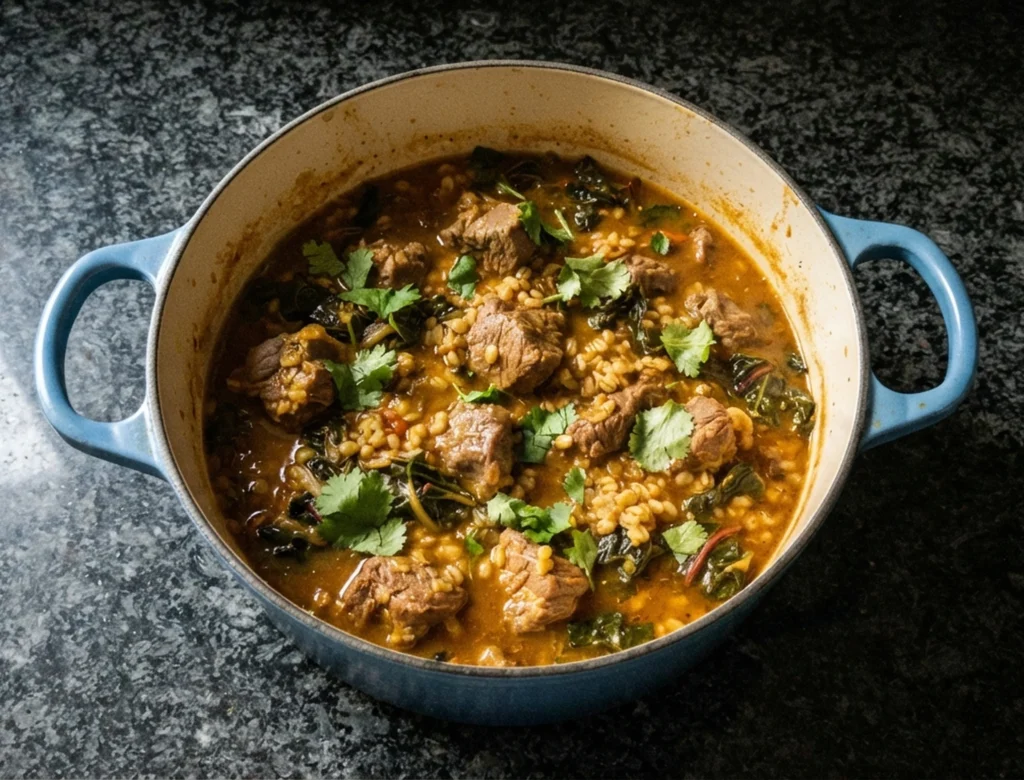
Tuh'u — Ancient Mesopotamian Lamb Stew
Three cuneiform clay tablets held at Yale's Babylonian Collection, dating to around 1700 BC, contain 35 recipes — the oldest written recipes ever found. This is the lamb stew that started it all.
Ancient Spelt Flatbread — A Recipe from Mesopotamia
The bread that went alongside: spelt as a defensible modern stand-in for emmer wheat, cooked on a hot stone or griddle, unchanged in technique from the original. No yeast. No fuss.
Ancient Egypt
Ancient Egyptian Recipes — Lentil and Onion Stew
Lentils, onions, garlic, cumin, coriander — the everyday staple of ancient Egypt, and the direct ancestor of koshari, which Egyptians are still eating today. Four thousand years of continuity in a bowl.
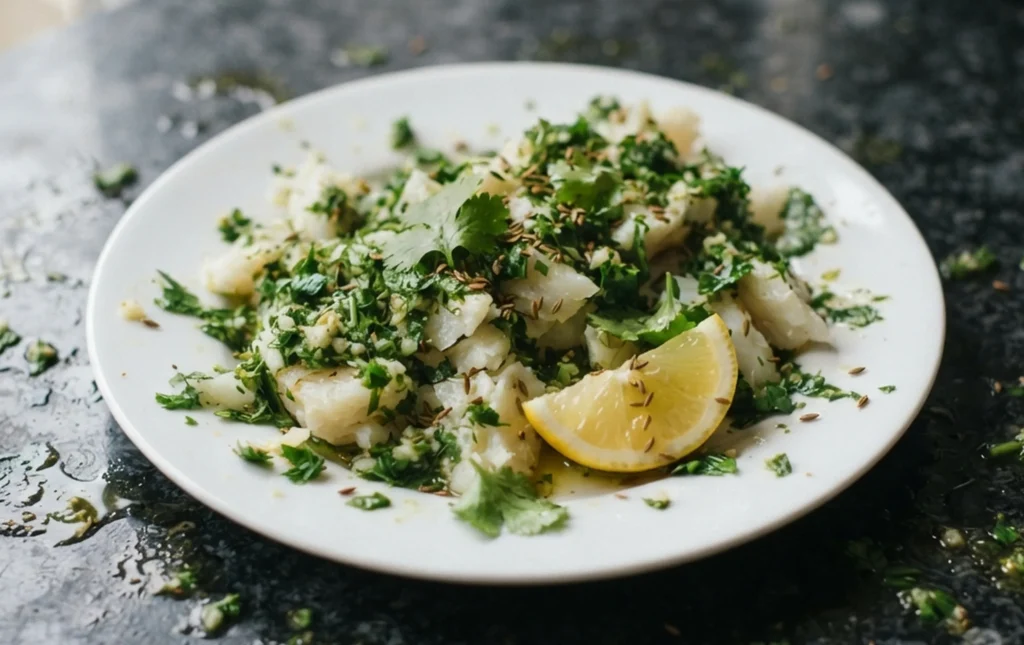
Salt Cod with Herb Dressing — An Ancient Egyptian Recipe
The Nile fed ancient Egypt on preserved fish for thousands of years. This is the same instinct — salt, time, fish — applied to bacalao, with a herb dressing that keeps it honest.
Ancient Greece
Ancient Greek Recipes — Skordalia-Style Barley Purée
The ancient ancestor of the modern taverna staple: barley or bread, garlic, olive oil, vinegar, pounded together. Archestratus would probably have an opinion about it. He had opinions about everything.
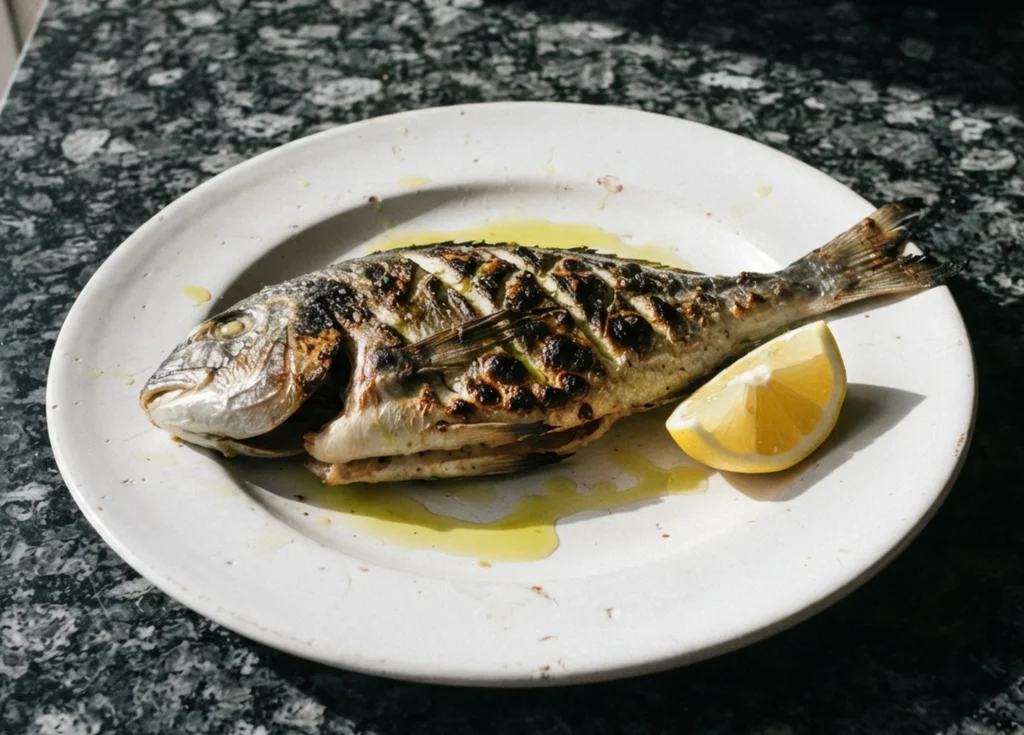
Ancient Greek Recipes — Grilled Fish with Herbs and Olive Oil
Archestratus — sometimes called the world's first food writer, 4th century BC — was adamant that good fish needed almost nothing. Heat, oil, salt, fresh herbs. He was right.
Ancient Rome
Pullum Frontonianum — Roman Braised Chicken from Apicius
Directly from De Re Coquinaria, the 1st century AD Roman cookbook: chicken braised in fish sauce, wine, oil, and herbs. It's been waiting two thousand years for a comeback and it's genuinely delicious.
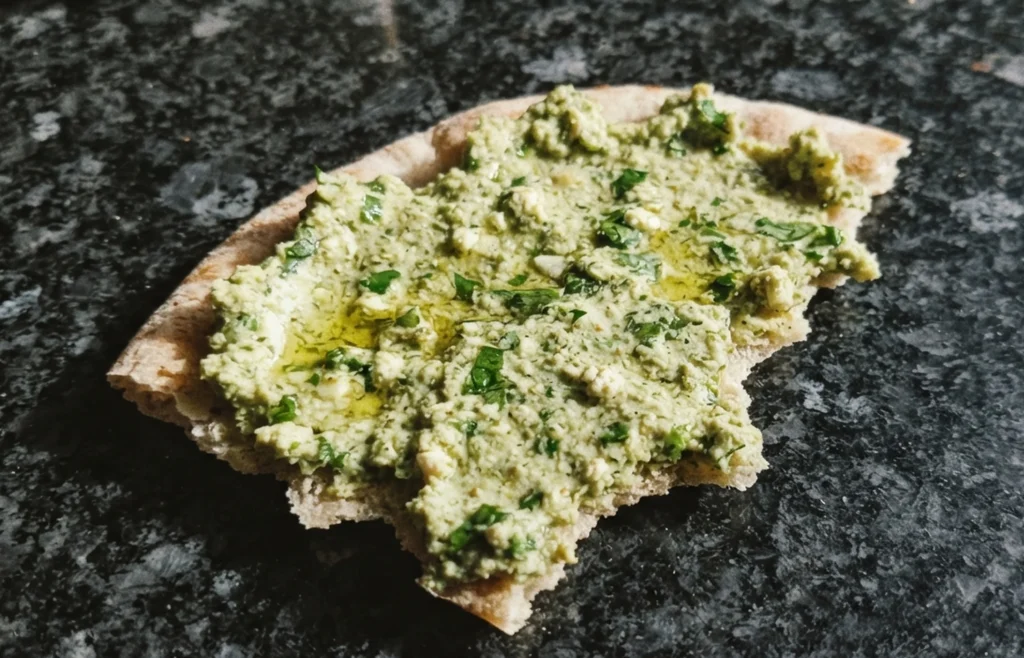
Ancient Roman Recipes — Moretum Herb and Cheese Paste
Described in a poem attributed to Virgil: garlic, fresh herbs, olive oil, vinegar, aged cheese, pounded together. Ancient pesto. No cooking required, which the Romans would have considered perfectly acceptable.
The North
Viking Cuisine
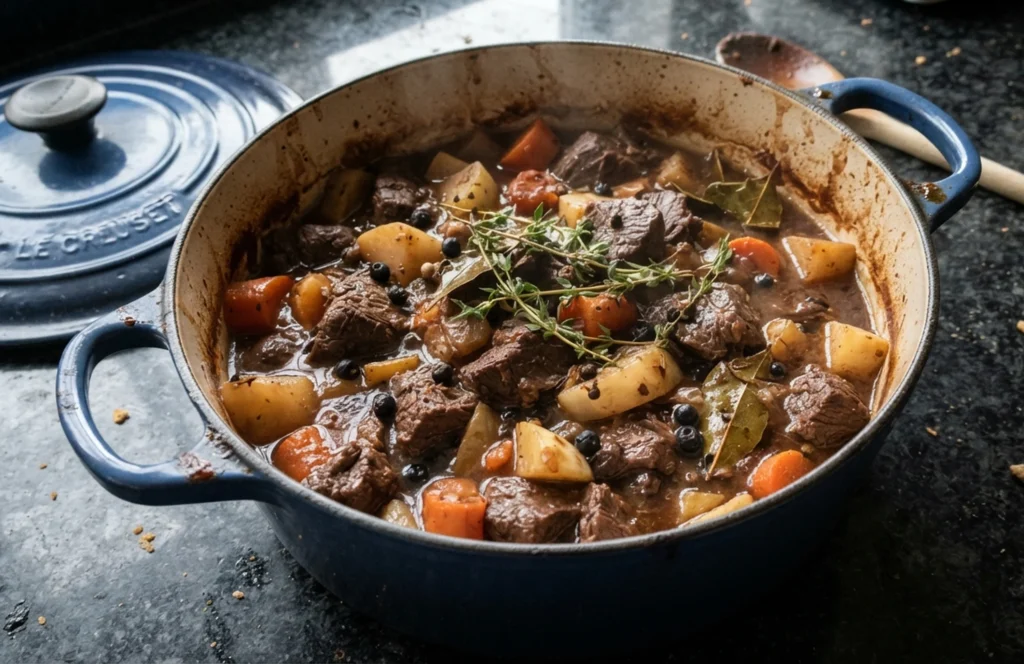
Slow-Braised Venison with Root Vegetables and Juniper
Game, roots, and foraged aromatics — the most honestly Viking combination available. Juniper berries grew wild across Scandinavia, flavoured everything, and preserved what needed preserving. A slow braise that does justice to all three.
Skyr with Herbs and Smoked Fish
Skyr is documented in the Norse sagas and is essentially unchanged today — probably the world's oldest continuously made dairy product. Served as a thick, soured base alongside smoked fish and wild herbs.
Medieval
Medieval England
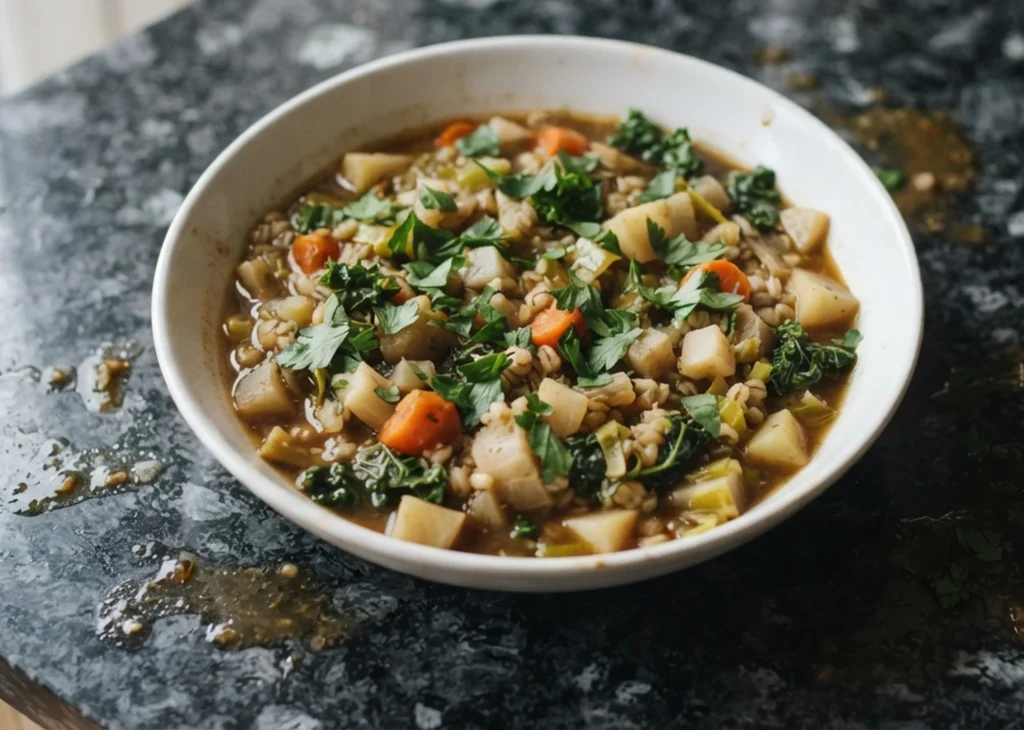
Pottage — The Everyday Dish of Medieval England
Leeks, pearl barley, herbs, whatever else was to hand — the dish that fed medieval England from peasant to palace, the only difference being the quality of what went in. Slow-cooked, honest, and more flavourful than its reputation suggests.
Blank Mang — Spiced Chicken from the Forme of Cury
From the cookbook compiled by the master cooks of Richard II, around 1390: chicken poached in almond milk, spiced with ginger, thickened with rice flour. Sweet-savoury in a way that feels almost Moroccan. Medieval palace food, given a flexible makeover.
If ancient Mesopotamian has caught your attention and you want to go further than this series takes you, Arim Hawsho's Table of Gods is worth your time — a serious, meticulously researched cookbook of 70 Mesopotamian recipes, seven years in the making, with endorsements from Assyriologists at Yale, Helsinki and Padua. It's the deep dive. This is the starting point.
Editor's note: Table of Gods was added to this page in August 2026, following the book's announcement.
Find more recipes and food adventures here.
Wonky photos, proper food, genuine adventures — The Flexible Chef